
Your tumble dryer has finally given up. It’s sitting there — taking up space, not heating properly, or simply past its best.
But getting rid of it is not as simple as dragging it to the kerb.
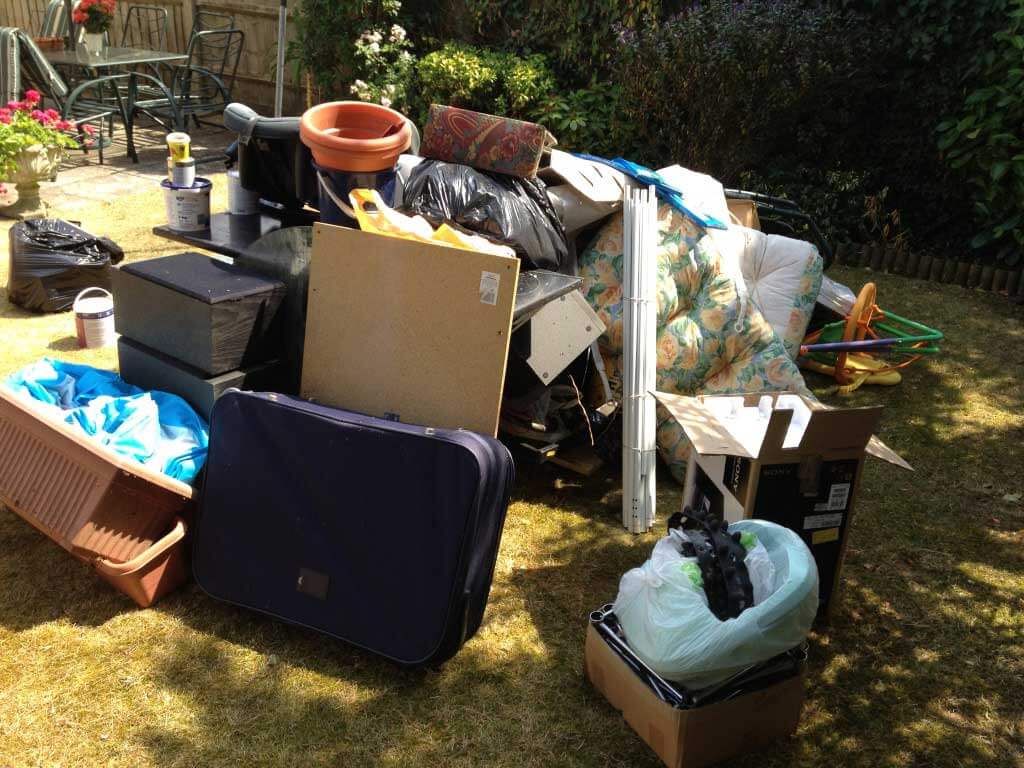
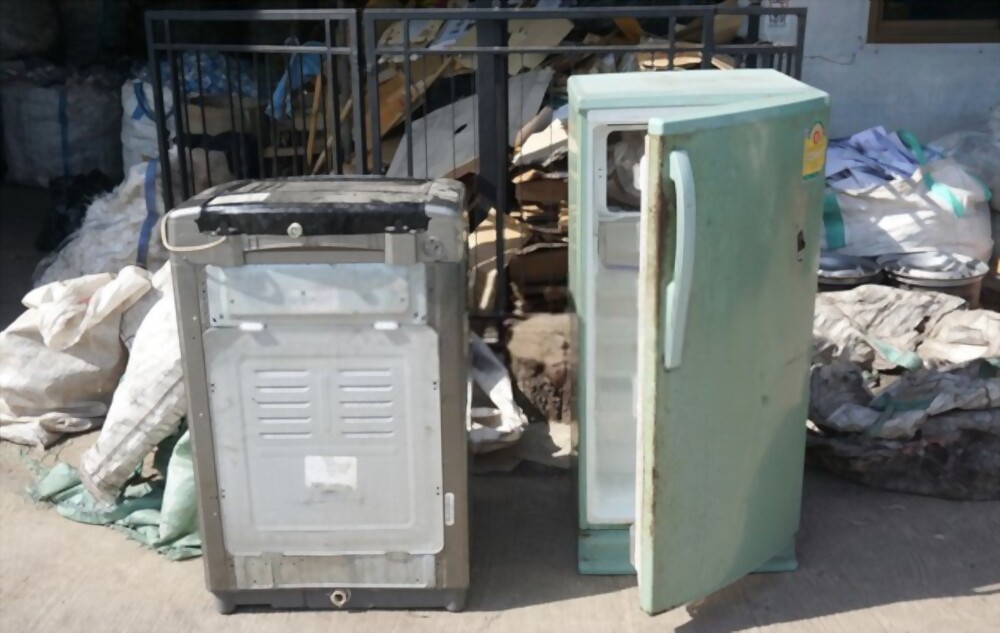
Tumble dryers are classified as WEEE waste (Waste Electrical and Electronic Equipment). That means you cannot leave them out with your regular bins. Doing so is illegal under UK law and can result in a significant fine.
The good news is that you have several options — some free, some fast, and depending on your dryer type, some that require a little extra planning.
This guide covers everything you need to know about tumble dryer disposal in the UK in 2026. We cover all three dryer types, every disposal route, real 2026 prices, and what actually happens to your machine once it is collected.
Can You Put a Tumble Dryer in a Skip or Regular Bin?
No — and this is one of the most common mistakes people make.
Tumble dryers cannot go into your household bin. They are too large and contain electrical components that must be processed separately under UK WEEE Regulations.
Standard skips also do not accept tumble dryers. They are classed as bulky electrical waste, and most skip hire providers will refuse collection or charge a penalty if one is found in a general skip.
There is one important exception. Heat pump tumble dryers contain refrigerant gases — just like a fridge. These must be handled by a specialist, and some councils will not accept them through their standard bulky waste service.
More on that in the next section.
Leaving a tumble dryer on a public pavement or communal area without an arranged collection is classed as fly-tipping. Penalties range from a fixed penalty notice to an unlimited fine in serious cases.
Know Your Dryer Type First — It Matters for Disposal
Not all tumble dryers are the same. There are three main types sold in the UK, and your disposal options depend on which one you have.
Vented Tumble Dryer
The most common type, especially in older UK homes. Vented dryers push hot, moist air out through a hose or wall vent. They contain a motor, heating element, steel drum, and plastic casing.
Disposal: Straightforward. No special gas handling required. Council collection, HWRC, scrap dealer, or professional service all work.
Condenser Tumble Dryer
Condenser dryers collect moisture in a reservoir rather than venting it outside. They are more common in flats and homes without external vent access. Slightly more complex internally but no refrigerant gases.
Disposal: Same as vented. No gas concerns. Standard WEEE disposal applies.
Heat Pump Tumble Dryer
The newest and most energy-efficient type. Heat pump dryers use a refrigerant to recycle heat rather than generating new heat. Sales of heat pump dryers surged in the UK in 2025–2026 due to rising energy costs.
Disposal: This is the important one. Heat pump dryers contain refrigerant gases — the same class of gases found in fridges and freezers. These must be safely extracted before the dryer can be recycled.
Leicestershire County Council has specifically advised residents to leave heat pump tumble dryers in the large refrigerator area at HWRCs, not the standard WEEE area. This is because the refrigerant must be handled by specialist equipment.
If you are unsure which type you have, check the product manual or the sticker on the back of the machine. Heat pump models are often labelled as “A+++ energy rated” and will reference a heat pump system in the spec sheet.
Always tell your removal service if you have a heat pump dryer. A reputable, WEEE-licensed removal company like Scrap My Appliance will handle it correctly.
How to Prepare Your Tumble Dryer for Collection

Before any collection — council, private, or scrap — do these three things first.
1. Unplug it completely. Switch off at the wall and remove the plug. Never leave it connected to power for collection.
2. Clean out the lint filter. Remove any built-up lint from the filter before the team arrives. It takes 30 seconds and keeps the machine tidy for transport.
3. Empty the water reservoir (condenser and heat pump models). Pull out the collection drawer and empty it. This prevents spills during removal.
For heat pump models, do not attempt to remove or tamper with any internal components. The refrigerant system must only be handled by trained operatives with the correct equipment.
Most professional appliance removal services expect the dryer to be unplugged and accessible. If it is upstairs, in a utility room, or behind a tight door, just let the team know when you book — a good service will plan accordingly.
Option 1 — Council Bulky Waste Collection
Most UK councils offer a bulky waste collection for large electrical items including tumble dryers. You book in advance, pay a fee (in most areas), and leave the appliance at the kerbside on your collection day.
2026 prices — real examples:
- Hackney Council — £15 for up to 5 items
- Westminster Council — £31 for up to 6 items
- North Yorkshire Council — Free at household waste recycling centres
- Wolverhampton Council — £26.50 per electrical item
- Scarborough — approximately £20 per item
Around 26 UK councils still offer free bulky waste collection in 2026. Most charge between £15 and £85. Visit your local authority’s website or search “[your area] + bulky waste collection” to find exact pricing and booking.
Limitations to know:
- Waiting times are typically 1–4 weeks
- You must bring the dryer to the kerbside yourself — they will not enter your property
- Some councils do not accept heat pump dryers through this service — call ahead to check
- Only available to council tax payers registered in that area
Heat pump dryer owners: always call your council first to confirm they can safely handle your dryer. Some councils require it to be declared as a heat pump model at the time of booking.
Option 2 — Household Waste Recycling Centre
Every UK council operates at least one Household Waste Recycling Centre (HWRC). These accept tumble dryers free of charge — but you must transport the appliance there yourself.
This is the cheapest route if you have access to a van or a large estate car.
What to do:
Search “[your area] + household waste recycling centre” or use the Recycle Now postcode locator at recyclenow.com. Most HWRCs have a dedicated WEEE section for large electricals.
If you have a heat pump dryer:
As mentioned above, Leicestershire County Council has advised that heat pump tumble dryers should be placed in the refrigerator area, not the standard WEEE bay. Contact your local HWRC before visiting to confirm the correct drop-off location.
Practical checks before you go:
- Some HWRCs require advance slot bookings — especially since the 2026 Simpler Recycling changes came into force
- A few sites require proof of local residency (driving licence or utility bill)
- Larger vehicles may need a van permit — check before visiting
- Commercial vehicles are usually not permitted at domestic HWRCs
Option 3 — Retailer Take-Back Scheme
Buying a new tumble dryer? Most major UK retailers will collect your old one on delivery day — sometimes at no extra cost.
Under UK WEEE regulations, retailers selling electrical appliances are legally required to offer a take-back or equivalent option.
Retailers that typically offer take-back:
- Currys — old appliance removal available as a paid add-on at checkout
- AO.com — collects old tumble dryers on delivery, charges apply
- John Lewis — removal service included with many delivery options
- Argos — take-back available when purchasing a replacement
How it works:
During online checkout, select the “old appliance removal” option. The delivery team brings your new dryer in and removes the old one in the same visit.
Things to note:
- Only works when you are buying a replacement dryer
- The old dryer must be unplugged and accessible
- Some retailers have access restrictions — narrow hallways, steep stairs, or no-lift flats may cause issues
- You will not receive any payment for the old appliance
If you are already buying a new tumble dryer, this is often the most convenient route and sometimes the cheapest.
Option 4 — Professional Tumble Dryer Removal Service
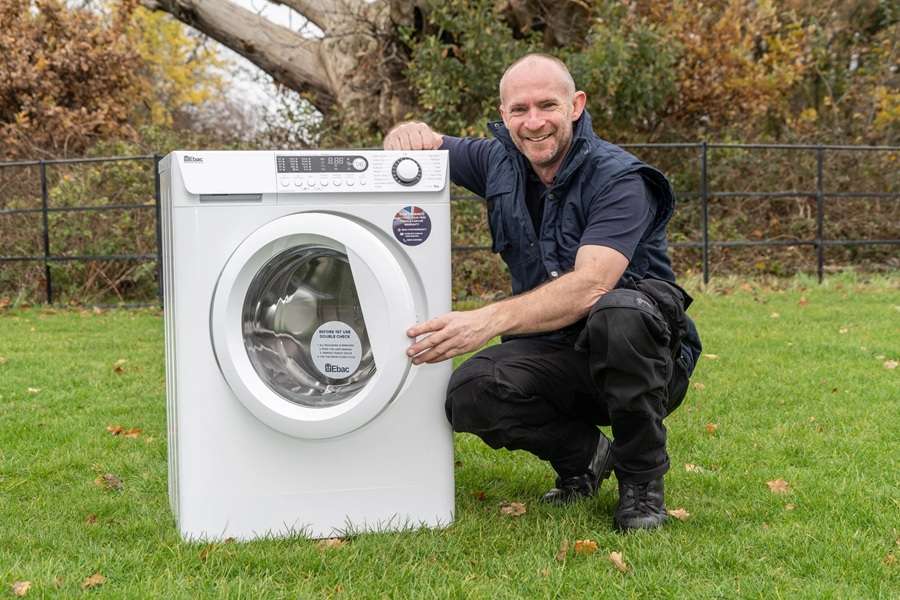
A professional removal service is the quickest, most convenient, and most flexible option. You book, they come to you — often the same day or next day — and take the dryer away from wherever it is in your home.
What a good service includes:
- Collection from inside your property — utility room, upstairs bedroom, basement, or tight corridor
- Two-person team handling all the heavy lifting
- WEEE-compliant recycling or donation to charity if the dryer still works
- Waste transfer note provided as legal proof of responsible disposal
- Handling of heat pump dryers with correct refrigerant procedures
Scrap My Appliance provides professional tumble dryer removal across the UK for both domestic and commercial properties. Our team arrives in a pre-booked time slot, removes the dryer carefully, and ensures it is recycled or donated responsibly.
Working dryers in good condition are assessed for donation to our charity network at no extra cost to you.
When professional removal makes the most sense:
- You need it gone the same day or next day
- The dryer is upstairs, in a flat, or difficult to access
- You have a heat pump dryer and want confidence it is handled correctly
- You have multiple appliances to remove at the same time
- You need a waste transfer note for legal or business records
Call us free on 0800 599 9003 or get an instant quote online.
Option 5 — Scrap Metal Dealer
Tumble dryers contain a useful amount of recoverable metal. A standard dryer holds approximately 20–35 kg of steel, copper wiring, and aluminium components.
At 2026 scrap metal prices, a typical tumble dryer may be worth around £4–£9 in scrap value. Some licensed scrap dealers will collect for free because the metal is worth recovering — even if the payment to you is small or zero.
How to find a licensed scrap dealer:
Search for scrap metal dealers in your area and verify they hold a valid waste carrier licence on the Environment Agency’s public register. This is important — unlicensed scrap collectors may not dispose of the machine legally, which could in some circumstances trace back to you as the original owner.
Heat pump dryers and scrap dealers:
Most standard scrap yards are not equipped to handle heat pump tumble dryers. The refrigerant must be extracted before the machine can be scrapped. Always declare your dryer type when calling ahead.
Option 6 — Donate or Sell Your Old Dryer
If your dryer still works, selling or giving it away is the most environmentally responsible option. It extends the appliance’s life and keeps it out of the waste stream entirely.
Donation options:
- British Heart Foundation — collects working large appliances from many UK areas, free of charge
- Local furniture reuse networks — often accept working tumble dryers for families in need
- Freecycle and Freegle — list it free and someone in your area will collect it
- Facebook Marketplace (free listings) — highly effective for working appliances
Selling options:
- eBay (local collection listings avoid the need to courier a heavy appliance)
- Gumtree
- Facebook Marketplace
- Local Facebook community groups
A working tumble dryer in decent condition can sell for £40–£150 depending on brand, age, and energy rating. Heat pump models in good working order are particularly sought after due to their energy efficiency.
Be honest in your listing. Include clear photos, note the dryer type (vented, condenser, or heat pump), and mention any known faults. Buyers in 2026 are energy-conscious — an A++ or A+++ rating is a genuine selling point worth highlighting.
How Much Does Tumble Dryer Disposal Cost in the UK?
Here is a full breakdown of 2026 disposal costs:
| Method | Typical Cost |
|---|---|
| Household Waste Recycling Centre (tip) | Free — you transport |
| Scrap metal dealer | Free or small payment to you (£4–£9) |
| Retailer take-back (with new purchase) | Free–£35 |
| Council bulky waste collection | Free–£85 (varies by council) |
| Professional removal service | £35–£90 |
| Donation (working dryer) | Free |
Key cost factors:
A few things can push the price up when using a professional service:
- Location — London and South East prices tend to be 20–30% higher
- Access — Upstairs, basement, or narrow doorway collections may add £10–£25
- Heat pump model — Requires specialist refrigerant extraction, which may add a small surcharge
- Multiple appliances — Booking more than one collection at the same time usually reduces the per-item cost
If you are also getting rid of a washing machine, fridge, dishwasher, or cooker, book them all together. Most professional services offer a better rate for combined white goods disposal.
For a transparent, all-in quote with no hidden fees, call Scrap My Appliance on 0800 599 9003 or request a quote here.
What Happens to Your Tumble Dryer After Collection?
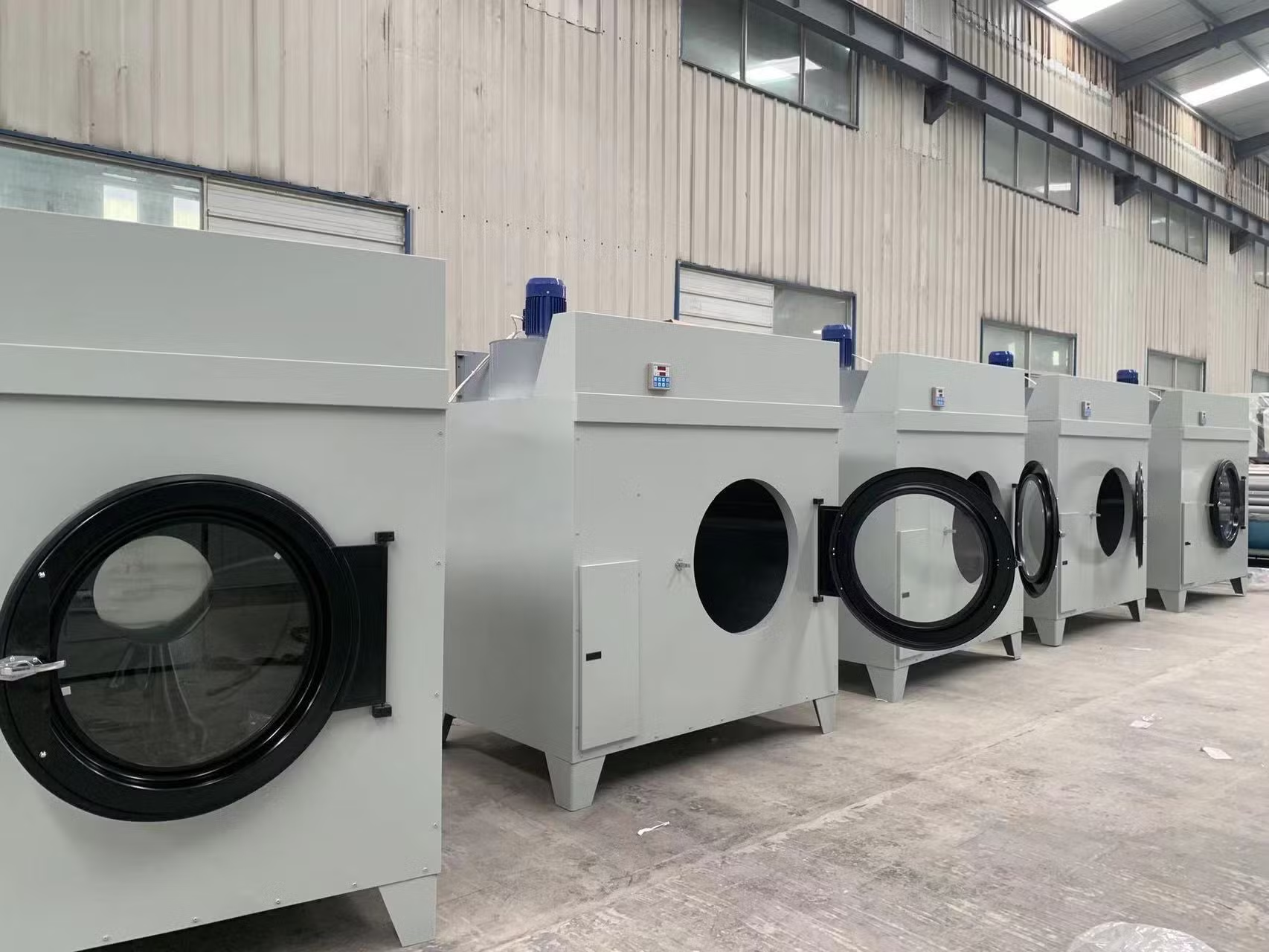
When your dryer reaches a WEEE-licensed recycling facility, here is what actually happens:
Step 1 — Assessment. Working appliances are tested. If a dryer still functions, it may be redirected for refurbishment or donated to a charity or community scheme before any recycling takes place.
Step 2 — Refrigerant extraction (heat pump models only). Specialist operatives use certified equipment to safely recover the refrigerant gas from heat pump dryers. This prevents harmful gases from entering the atmosphere.
Step 3 — Dismantling. The dryer is broken down by hand. The door seal, drum, motor, heating element, and electronic control board are separated.
Step 4 — Material separation. Components are sorted by material type: steel, copper wiring, aluminium, plastic casing, and rubber seals. Each material stream goes to the appropriate recycler.
Step 5 — Metal processing. Steel drums and outer casings are shredded and processed. Copper wiring is stripped and sold to copper smelters. These recovered metals go back into manufacturing — your old dryer’s drum could end up in a new car or a new appliance.
Step 6 — Non-recyclable residue. A small proportion of materials — mainly composite plastics and insulation — cannot be recycled economically. These go to energy recovery facilities rather than landfill, where they generate heat and electricity.
Around 80–90% of materials in a standard tumble dryer can be recovered and recycled. Choosing a licensed, reputable service ensures the full process is completed correctly.
FAQs
Can I leave a tumble dryer outside for collection?
Only if you have booked a council bulky waste collection and been given a specific date. Leaving a dryer on a public pavement or in a communal area without an arranged collection is illegal fly-tipping.
Will the council take my old tumble dryer for free?
Around 26 UK councils offer free bulky waste collection. Most charge £15–£85 per item. If you have a heat pump dryer, call ahead — some councils require it to be declared separately. You can also take it to your local HWRC for free if you can transport it yourself.
Can I put a tumble dryer in a skip?
No. Standard skips do not accept tumble dryers as they are WEEE waste. Skip companies face strict rules about electrical goods. Some specialist providers can arrange a separate WEEE collection alongside a skip hire — ask when booking.
Does Currys take old tumble dryers?
Yes. Currys offers old appliance removal as a paid add-on when you purchase a replacement tumble dryer. The delivery team collects your old machine at the same time. Confirm the option and cost during checkout.
How do I dispose of a heat pump tumble dryer?
Heat pump dryers contain refrigerant gases and require specialist disposal. Take it to the refrigerator area (not the standard WEEE bay) at your local HWRC, or use a WEEE-licensed professional removal service that is equipped to handle refrigerant extraction. Always declare the dryer type when booking.
How do I dispose of a tumble dryer for free?
Free options include taking it to your local Household Waste Recycling Centre yourself, listing it on Freecycle or Facebook Marketplace for collection, contacting the British Heart Foundation for donation pickup, or using a scrap metal dealer who may collect for free.
Is it worth scrapping a tumble dryer for cash?
Possibly. A typical tumble dryer contains 20–35 kg of recoverable metal worth approximately £4–£9 at 2026 scrap prices. Some licensed scrap dealers will collect for free. Heat pump dryers need specialist handling before scrapping.
Do I need to disconnect the dryer before collection?
Yes. It should be unplugged from the power supply before the collection team arrives. Condenser and heat pump models should also have the water reservoir emptied. For heat pump models, do not attempt to disconnect any internal components.
Can I get rid of a tumble dryer and washing machine together?
Yes — and this often works out cheaper per item with a professional service. Scrap My Appliance collects both at the same time. See our washing machine disposal guide for more detail on washing machine removal options. You can also check our appliance removal cost guide for full 2026 pricing.
What is WEEE and does it apply to tumble dryers?
WEEE stands for Waste Electrical and Electronic Equipment. Yes, tumble dryers are covered by UK WEEE regulations. This means they must be collected and processed through licensed channels — they cannot go into general household waste bins or standard skips.
How much does it cost to dispose of a tumble dryer near me?
Cost depends on your location and the disposal method. Council collections cost £15–£85. Professional services cost £35–£90. Taking it to your local tip yourself is free. For a fixed, no-obligation quote in your area, call Scrap My Appliance on 0800 599 9003.
Ready to Get Rid of Your Old Tumble Dryer?
Scrap My Appliance is a fully WEEE-licensed removal and recycling service covering homes and businesses across the UK.
We collect all types of tumble dryers — vented, condenser, and heat pump — as well as washing machines removal, fridges and freezers, dishwashers, cookers removal, and all other household and commercial appliances.
We offer same-day and next-day collection in most areas. Prices are transparent and agreed upfront — no surprises on the day.
Working appliances are donated to UK charities at no extra cost to you. Everything else is recycled responsibly.
Call free: 0800 599 9003