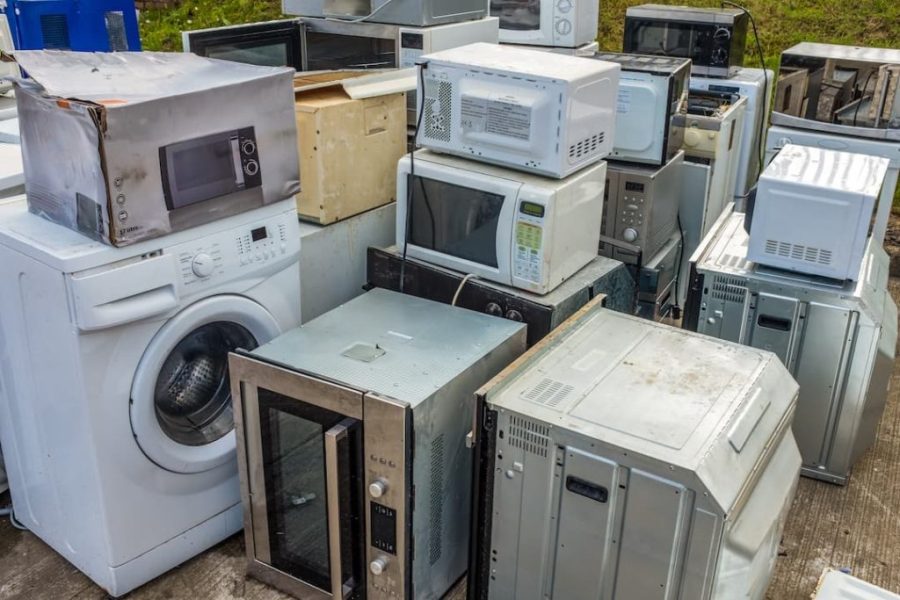
Getting rid of an old fridge, washing machine, or cooker sounds simple — until you start looking into the costs. Prices vary wildly depending on who you use, where you live, and what type of appliance needs removing. This guide breaks down every option with real 2026 UK prices so you know exactly what to expect before you book.
What Does Appliance Removal Cost in the UK? {#overview}
In 2026, the cost of appliance removal in the UK typically falls between £25 and £150 for a single domestic appliance, depending on the method you choose. Here’s a quick overview:
| Removal Method | Typical Cost |
| Council bulky waste collection | £15 – £85 per item |
| Private removal service | £40 – £120 per appliance |
| Retailer take-back (with new purchase) | Free – £40 |
| Household Waste Recycling Centre (tip) | Free (you transport it) |
| Scrap metal dealer | Free (sometimes paid) |
The cheapest option is always taking it to your local tip yourself — but that requires a vehicle large enough and someone to help with the heavy lifting. For most people, booking a professional service is the most practical route.
Cost by Appliance Type {#by-appliance}
Different appliances have different removal costs. Larger, heavier appliances with refrigerants (such as fridge freezers disposal) often cost more due to specialist handling requirements under UK WEEE regulations.
| Appliance | Council Collection | Private Service |
| Fridge / Fridge Freezer | £20 – £45 | £40 – £90 |
| American-Style Fridge Freezer | £30 – £60 (if accepted) | £60 – £120 |
| Washing Machine | £20 – £45 | £40 – £95 |
| Tumble Dryer | £20 – £40 | £35 – £85 |
| Dishwasher | £20 – £40 | £35 – £80 |
| Cooker / Oven | £20 – £45 | £40 – £90 |
| Microwave | £15 – £30 | £30 – £60 |
| TV / Flatscreen | £15 – £35 | £30 – £60 |
| Freezer | £20 – £45 | £40 – £90 |
Note: Fridges, fridge freezers, and freezers contain refrigerant gases that must be safely removed under UK WEEE Regulations. This makes them slightly more expensive to dispose of than other appliances.
Council Bulky Waste Collection Costs {#council}
Most UK councils offer a bulky waste collection service for large household items including white goods. Costs vary significantly depending on your local authority — this is truly a postcode lottery.
Key figures from 2025–2026 council data:
- The average cost for a single bulky item collection across UK councils is around £30
- The cheapest councils charge as little as £15 for 1–2 items (e.g. Cardiff Council)
- The most expensive councils charge up to £85+ per collection (e.g. Runnymede Borough Council at £85 minimum)
- 26 councils (roughly 7% of all councils in the UK) offer free bulky waste collections
- Northern Ireland has the lowest average cost overall
- The South East of England has the highest average prices
Examples of real council costs (2026):
- Wolverhampton Council: £26.50 per electrical item
- Buckinghamshire Council: £62 for 1–3 items
- Torridge District Council: £29.50 per fridge/freezer
- Sheffield City Council: One free collection per year (up to 12 items) for council tenants
- Cardiff Council: £15 for 1–2 items
Important limitations of council collections:
- Many councils have waiting times of several weeks, especially for fridges
- Some councils will not collect certain items (e.g. American-style fridge freezers, range cookers)
- You typically need to leave items at the kerbside — they won’t collect from inside your home
- Collections are only available to council tax payers in the area
To find your council’s bulky waste service and prices, visit your local authority’s website or search “[your area] + bulky waste collection”.
Private Appliance Removal Service Costs {#private}
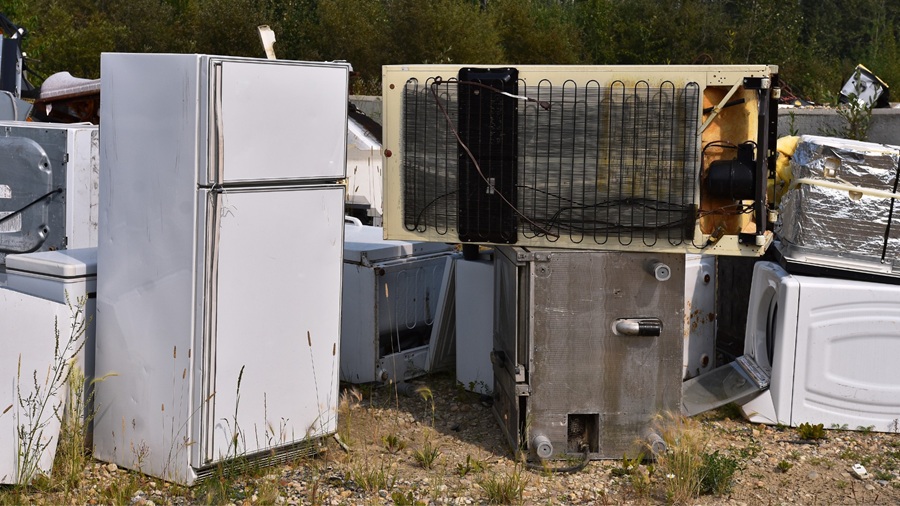
A professional private removal service — like Scrap My Appliance — offers same-day or next-day collection, door-to-door service from inside your home, and guaranteed eco-friendly disposal. Prices are generally higher than council services but the convenience and speed are significantly better.
What’s typically included in the price:
- Collection from inside your property (including upstairs, basement, or tight spaces)
- Two-person team for safe heavy lifting
- Transport and disposal fees
- WEEE-compliant recycling or donation to charity
- Waste transfer note for your records
Typical price ranges for private services (UK 2026):
| Job Type | Price Range |
| Single small appliance (microwave, TV) | £30 – £60 |
| Single large appliance (fridge, washing machine) | £40 – £95 |
| Two large appliances | £70 – £150 |
| Three or more appliances | £90 – £200+ |
Many private services — including Scrap My Appliance — offer transparent, fixed pricing with no hidden fees. Always ask for an itemised quote before booking.
Retailer Take-Back Schemes {#retailer}
When you buy a new appliance from a retailer, you may be entitled to have your old appliance collected and recycled at the same time. Under UK regulations, most retailers are required to offer a take-back option.
How it works:
- You purchase a new appliance
- During checkout or delivery scheduling, you request removal of your old appliance
- The delivery team collects the old item when delivering the new one
Typical costs:
- Many large retailers offer this free of charge for large appliances
- Some charge a flat fee of around £10 – £40 depending on the retailer and appliance type
- This option only works when buying a replacement — retailers won’t come just to collect an old item
Limitations:
- They will only take the appliance being replaced (not other old items)
- The old appliance must usually be disconnected and ready for collection
- Some retailers have access restrictions (e.g. no narrow hallways, no stairs)
If you’re buying a new fridge, washing machine, or dishwasher, always ask the retailer about take-back — it’s often the cheapest or even free option.
Factors That Affect the Price {#factors}
Several things can push the cost of appliance removal up or down:
Location
Prices in London and the South East are typically 20–30% higher than the rest of the UK. Rural areas may also incur a travel surcharge.
Appliance size and weight
American-style fridge freezers, range cookers, and industrial appliances are larger and heavier — requiring more labour and sometimes specialist equipment. Expect to pay more.
Access
If your appliance is in a basement, loft, upstairs room, or behind narrow doorways, most private services will add a surcharge of £10–£30 for the extra time and effort involved.
Number of items
Most services offer a reduced rate per item when you’re disposing of multiple appliances at once. If you have two or three to get rid of, book them all together.
Type of appliance
Appliances containing refrigerants (fridges, freezers, air conditioning units) require specialist disposal under WEEE regulations and typically cost £5–£20 more than equivalent-sized non-refrigerant appliances.
Speed of service
Same-day or next-day collections often cost slightly more than standard bookings. If you can plan ahead, booking in advance may save a little money.
Day and time
Weekend and evening slots are generally priced higher than standard weekday collections.
Free Appliance Removal Options {#free}
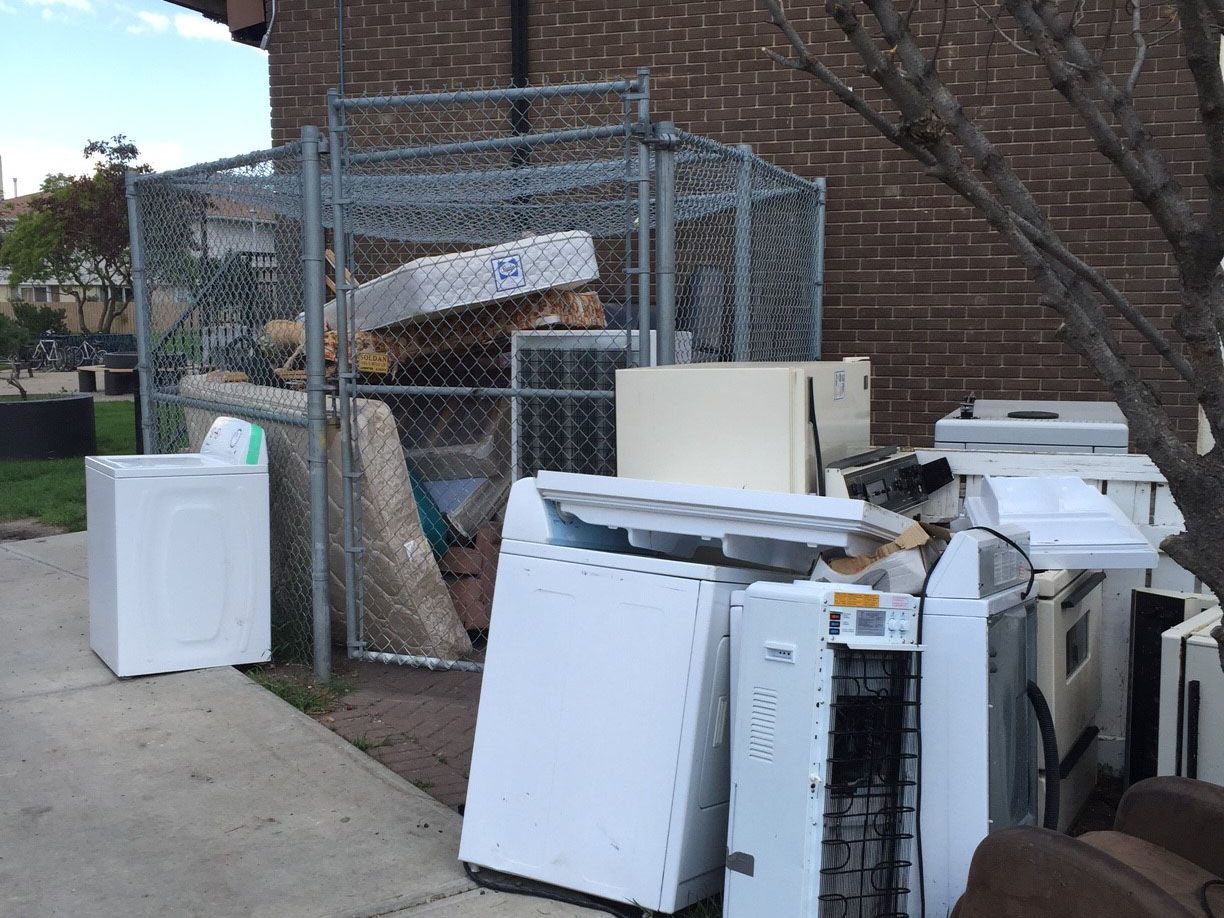
If budget is a concern, there are legitimate ways to get rid of appliances for free or very cheaply:
- Household Waste Recycling Centre (The Tip) All UK councils operate HWRCs where you can drop off large appliances free of charge. You’ll need to transport the item yourself. Most HWRCs have dedicated areas for WEEE items. Check your council’s website for opening hours and booking requirements — some require advance slots.
- Scrap Metal Dealers If your appliance contains enough recoverable metal (most do), some scrap dealers will collect it for free or even pay you a small amount. The price of scrap metal fluctuates, so this is less reliable, but worth checking locally.
- Freecycle, Freegle & Facebook Marketplace If your appliance is still working, list it for free on Freecycle, Freegle, or Facebook Marketplace. Someone else may collect it at no cost to you — and you keep it out of landfill.
- Charity Collection Several UK charities collect working appliances. The British Heart Foundation and local furniture reuse networks sometimes collect functional white goods. Ring ahead to check if they cover your area and accept the type of appliance.
- Council Free Collections As mentioned above, 26 UK councils offer free bulky waste collections. Some councils also offer free collections for residents on benefits, pensioners, or those with disabilities — worth checking even if your council normally charges.
Commercial Appliance Removal Costs {#commercial}
If you’re a business, landlord, hotel, restaurant, or school looking to dispose of commercial appliances, pricing is calculated differently — usually by volume, number of units, or a custom quote.
Typical commercial removal costs:
| Job Type | Estimated Cost |
| 1–3 commercial appliances | £80 – £200 |
| 5–10 appliances (e.g. restaurant clear-out) | £200 – £500 |
| Large commercial clear-out (10–50 units) | £400 – £1,500+ |
| Bulk collection 50–100+ units | Custom quote |
Commercial appliance disposal also needs to comply with UK WEEE regulations — businesses have a legal duty of care to ensure appliances are disposed of responsibly. A reputable service will provide a waste transfer note as proof of compliant disposal.
Scrap My Appliance handles commercial collections for hotels, restaurants, universities, NHS trusts, landlords, and more. Request a commercial quote here.
How to Get the Best Price {#best-price}
Follow these tips to make sure you’re getting good value:
Get multiple quotes. Prices between providers can vary by 30–50%. Always compare at least two or three services before booking.
Bundle your items. If you have more than one appliance to dispose of, book them together. Most services offer a better rate per item when collecting multiple pieces.
Check your council first. If you’re not in a hurry, your council’s bulky waste service may be the cheapest option — especially if you’re in a lower-cost area.
Ask about what’s included. Some providers quote a low price but add charges for stairs, access difficulties, or disposal certificates. Always ask for a full, all-in price upfront.
Use a WEEE-licensed provider. Always check that any service you use is licensed under WEEE regulations and holds a valid waste carrier licence from the Environment Agency. Illegally dumped appliances can come back to haunt the original owner.
Check for charity partnerships. Some removal services — including Scrap My Appliance — donate working appliances to charity at no extra cost to you. If your appliance still works, this can be a meaningful way to dispose of it responsibly.
FAQs {#faq}
How much does it cost to dispose of a fridge in the UK?
A fridge or fridge freezer typically costs £20–£45 via council collection or £40–£90 with a private service. Fridges cost slightly more than other appliances because their refrigerant gases must be removed safely before recycling.
Can I put a washing machine out for the bin men?
No. Washing machines and other large electrical appliances cannot be collected with regular household waste. They must be disposed of through a bulky waste service, private removal company, retailer take-back, or by taking them to an HWRC yourself.
Is appliance removal free in the UK?
It can be, if your council offers a free bulky waste service (26 councils do), if you qualify for a concessionary rate, or if a retailer takes it when delivering a replacement. For most people, there will be some cost involved.
How quickly can I get an appliance removed?
Private services like Scrap My Appliance often offer same-day or next-day collection. Council services typically have waiting times of 1–6 weeks depending on demand and your area.
Do I need to disconnect the appliance before collection?
Yes — you should disconnect your appliance from the power supply and any water connections before the collection team arrives. For gas cookers, you may need a Gas Safe registered engineer to disconnect it first.
What happens to my old appliance after collection?
With a reputable, WEEE-compliant service, your appliance is taken to a licensed recycling facility where components are separated and processed. Working appliances may be donated to charity. You can request a recycling certificate or waste transfer note as proof of responsible disposal.
Can appliance removal cost be claimed on taxes for businesses?
Businesses can generally claim appliance disposal costs as a legitimate business expense. Speak to your accountant for specific advice based on your circumstances.
Ready to Book Appliance Removal?
Scrap My Appliance offers fast, fully licensed removal and recycling for domestic and commercial appliances across the UK. We provide transparent, upfront pricing with no hidden fees, same-day response, and eco-friendly disposal in line with UK WEEE regulations.
Call us free on 0800 599 9003 or get an instant quote online.
We cover homes and businesses nationwide — from single appliance collections to bulk commercial clear-outs.
Scrap My Appliance is a fully licensed UK appliance removal and recycling service. Reg No. CBDU253833. All appliances are disposed of in compliance with UK WEEE Regulations.