Moving house is stressful enough without an argument over who gets to keep the washing machine.
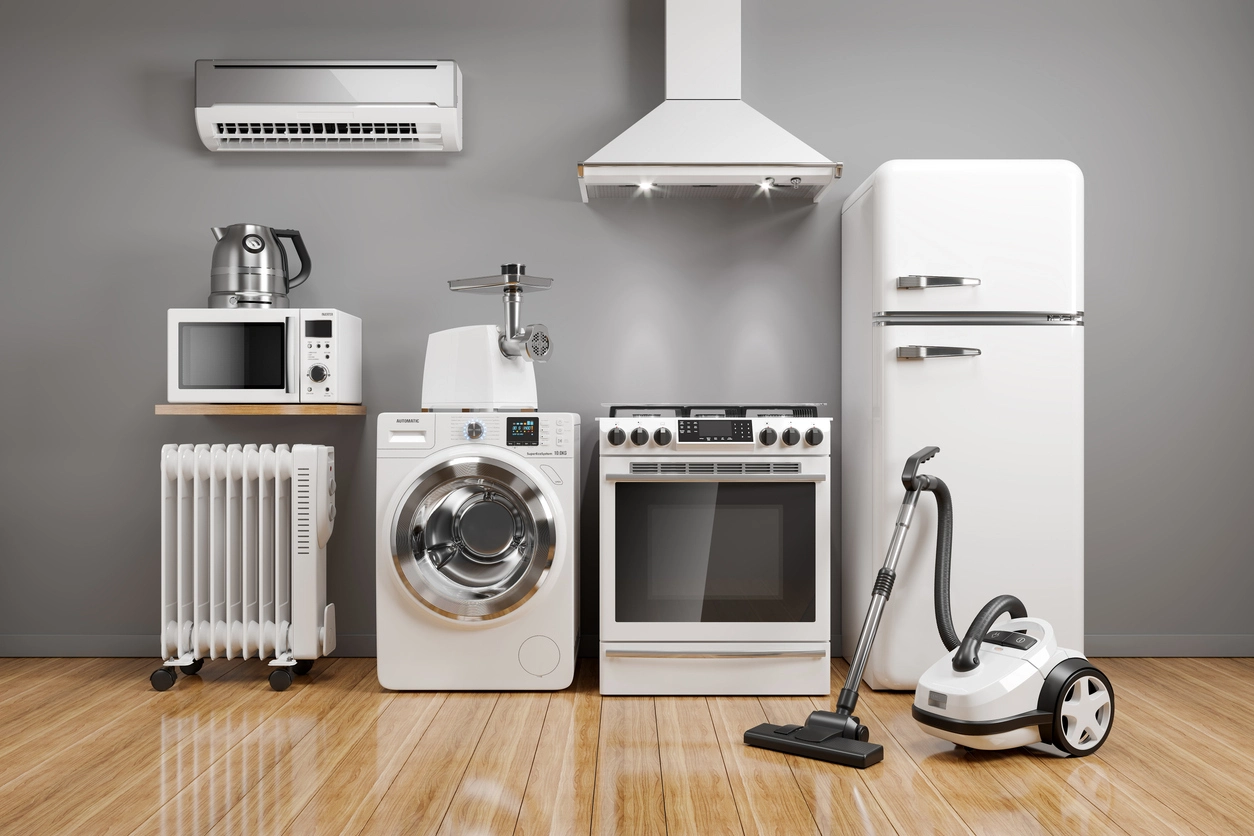
It’s one of the questions we get asked most: “Do I have to leave my appliances behind?” The honest answer is that it depends on two things — whether the appliance is built in, and whether you’re selling, buying, or renting.
This guide breaks it down plainly, so you know what stays, what goes, and what to do with anything you’re leaving behind.
Fixtures vs Fittings: The Rule That Decides Everything
UK property law splits appliances into two groups: fixtures and fittings.
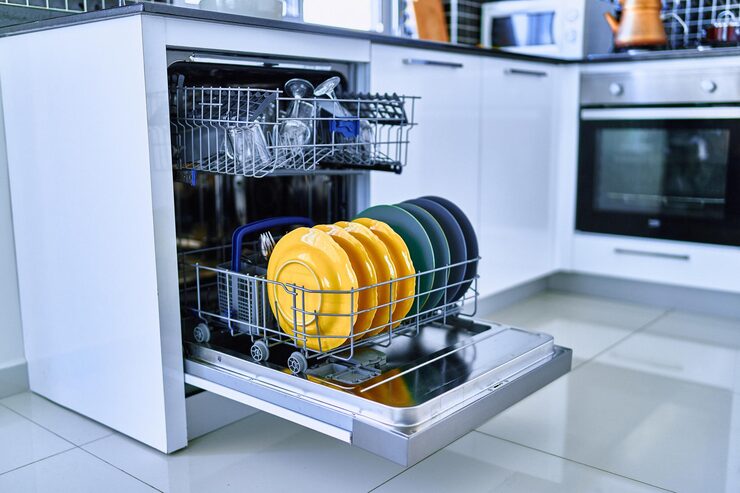
A fixture is fixed to the property. Think integrated ovens, built-in dishwashers, and fridge-freezers hidden behind matching cabinet doors. These are presumed to stay with the house unless the paperwork says otherwise.
A fitting is freestanding. A washing machine sitting under the counter, a standalone cooker, a fridge you can simply unplug and wheel out. These are presumed to go with you.
There’s a simple test solicitors use: if you turned the house upside down and gave it a shake, would the appliance fall out? If yes, it’s a fitting. If it stays bolted in place, it’s a fixture.
Most UK house sales use the Law Society’s TA10 Fittings and Contents form. It lists exactly what’s included in the sale. If an appliance matters to you, either way, get it written down before you exchange contracts. Verbal agreements cause more disputes than almost anything else in a house move.
Renting? The Rules Work Differently
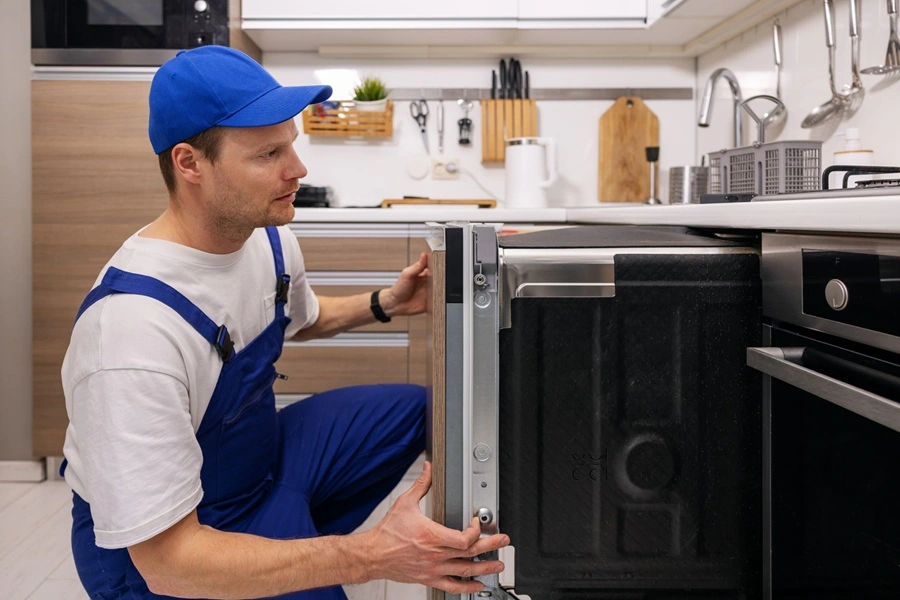
If you’re renting, the appliances that came with the property usually belong to your landlord. Check the inventory report from move-in day — it should list every appliance and its condition.
You generally can’t take a landlord’s appliances with you, even if you’ve grown attached to that dishwasher. Anything you bought and installed yourself, like a microwave or an extra freezer, is yours to take.
If you’re a landlord rather than a tenant, we’ve written a full breakdown of what to do when a tenant moves out — see our landlord’s guide to appliance disposal.
Selling? Here’s What Usually Stays
If you own the property, the fixtures-and-fittings rule applies at full strength. Buyers generally expect these to stay:
- Integrated ovens, hobs and extractor hoods
- Built-in dishwashers and washing machines
- Integrated fridge-freezers
And these usually go with the seller, unless you agree otherwise:
- Freestanding washing machines and tumble dryers
- Freestanding fridges and freezers
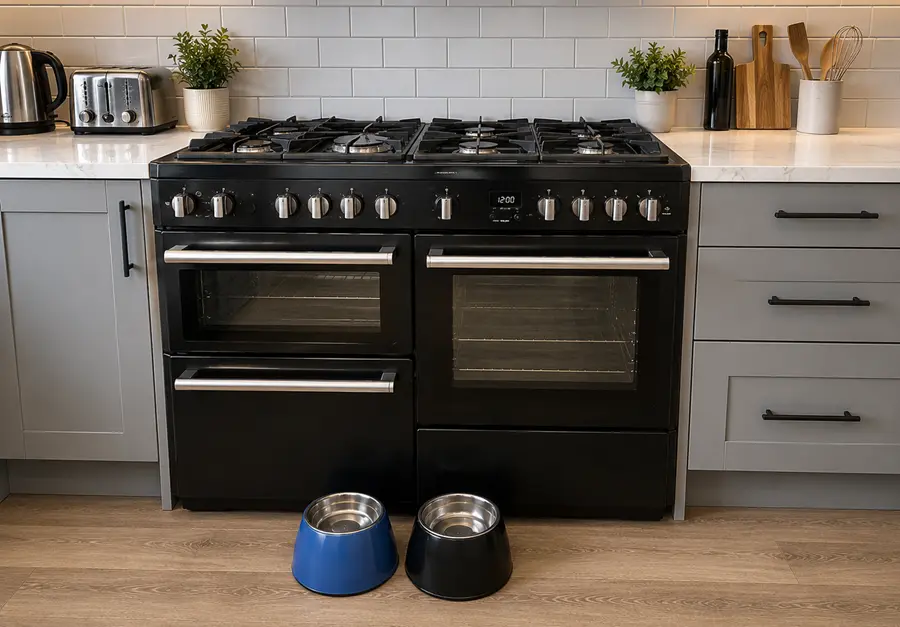
- Range cookers that aren’t built into the worktop
You can negotiate either way. Some sellers leave everything to make the move simpler. Others take a brand-new dishwasher and leave the cabinet door for the buyer to reuse. Whatever you agree, put it on the TA10 form before exchange, not after.
Should You Even Take Your Old Appliances With You?
Even when you’re legally allowed to take an appliance, it’s worth asking whether you should.
Moving an appliance costs money and effort. Washing machines need their transit bolts refitted before travel, or the drum can be damaged on the journey. Fridges need to stand upright for several hours after a move before you switch them on, or the compressor can be damaged.
If your appliance is more than seven or eight years old, has needed repairs recently, or simply won’t fit your new kitchen, it’s often cheaper and less stressful to leave it behind and start fresh.
What to Do With Appliances You’re Leaving Behind
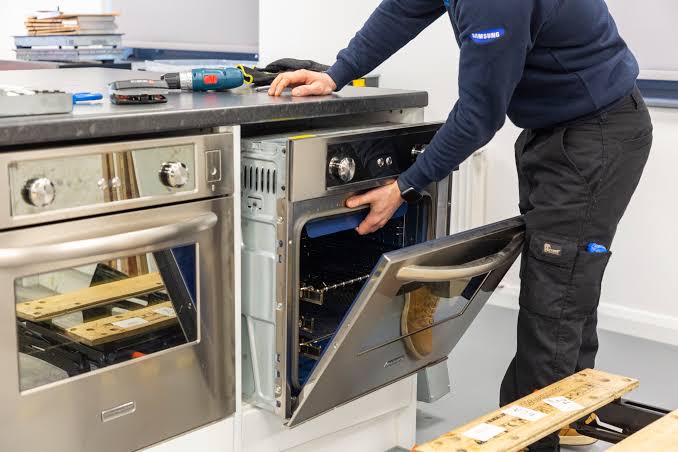
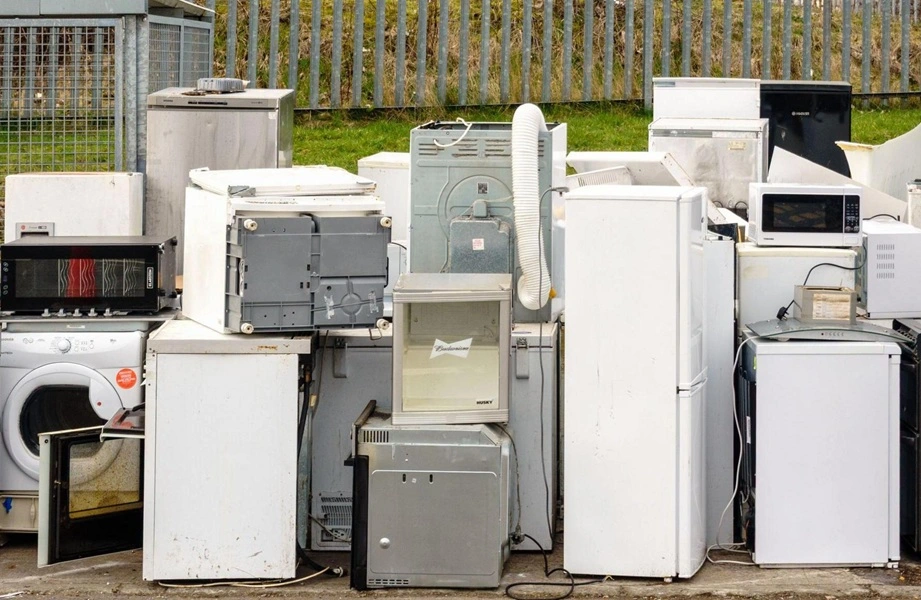
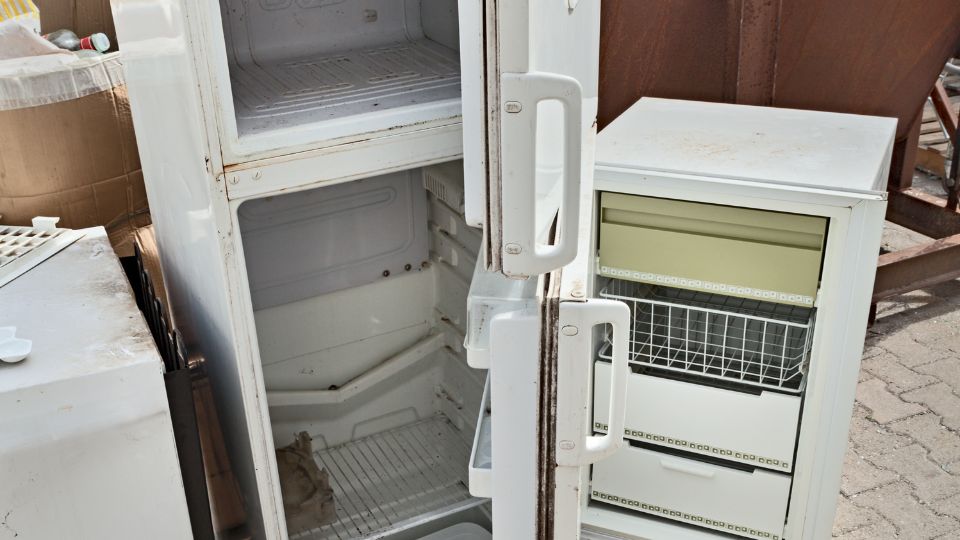
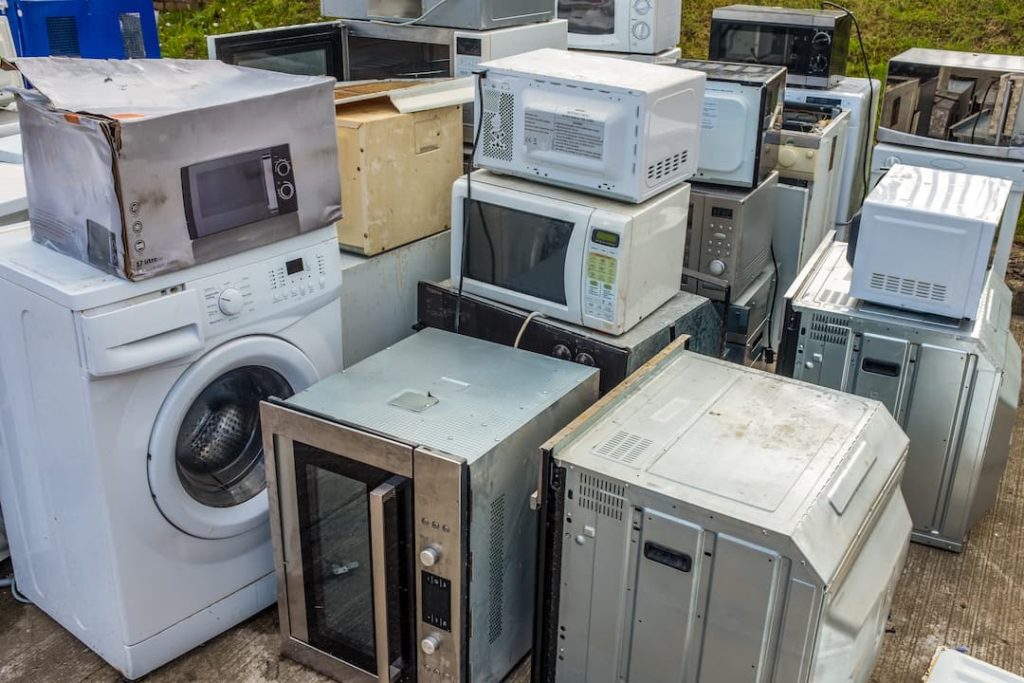
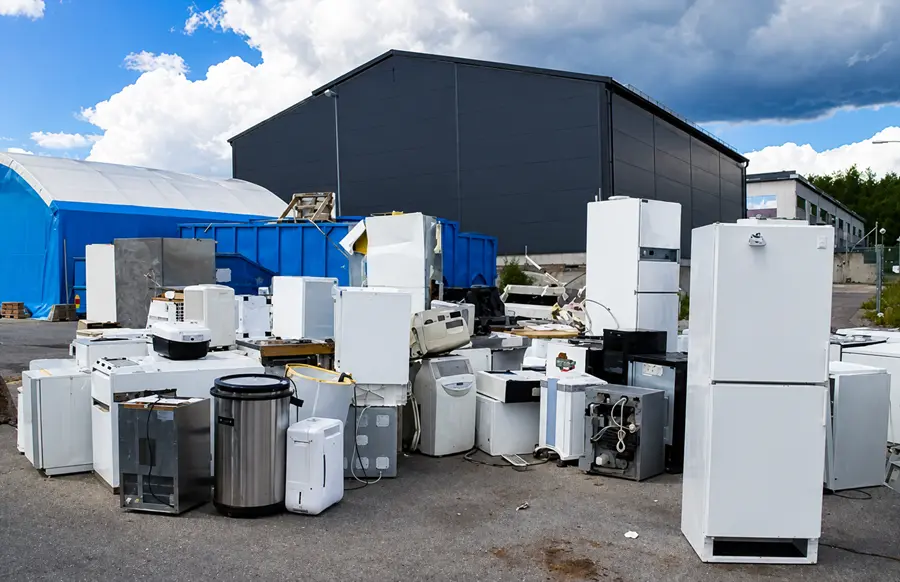
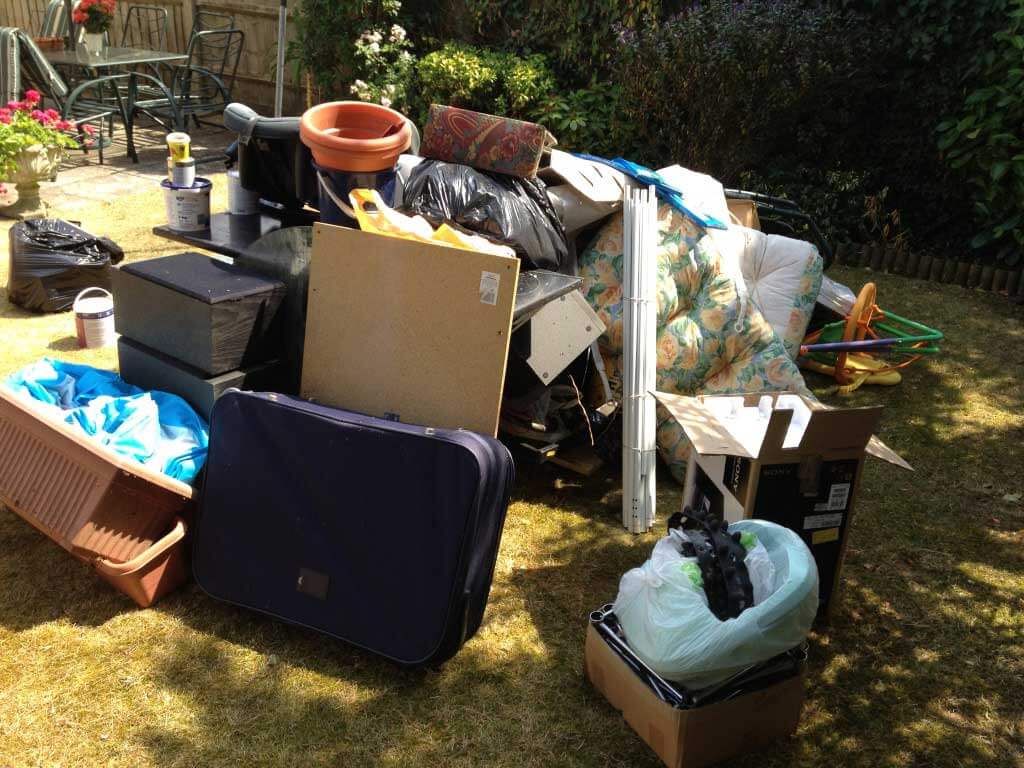
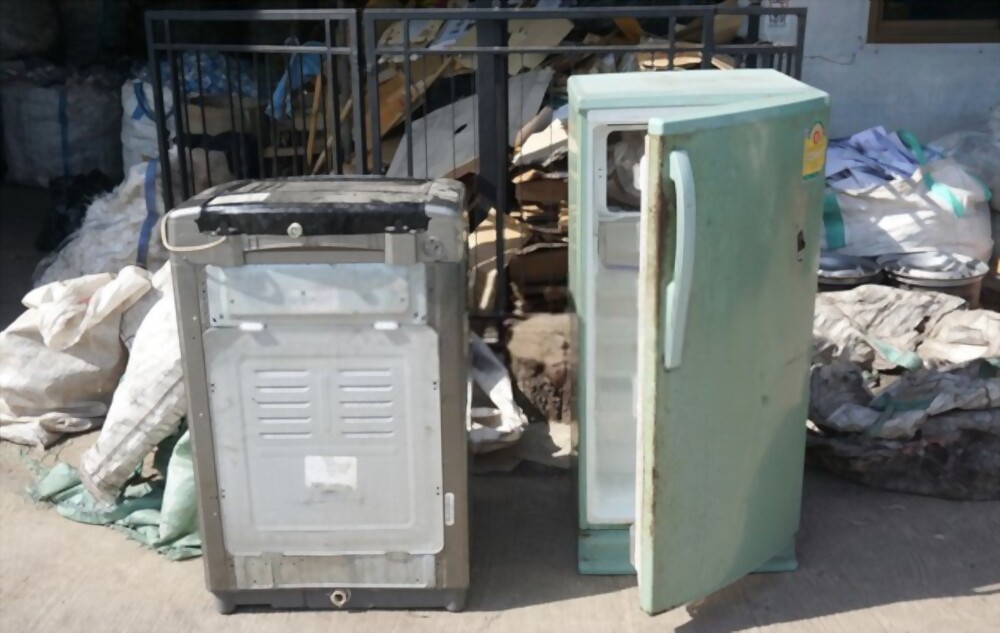
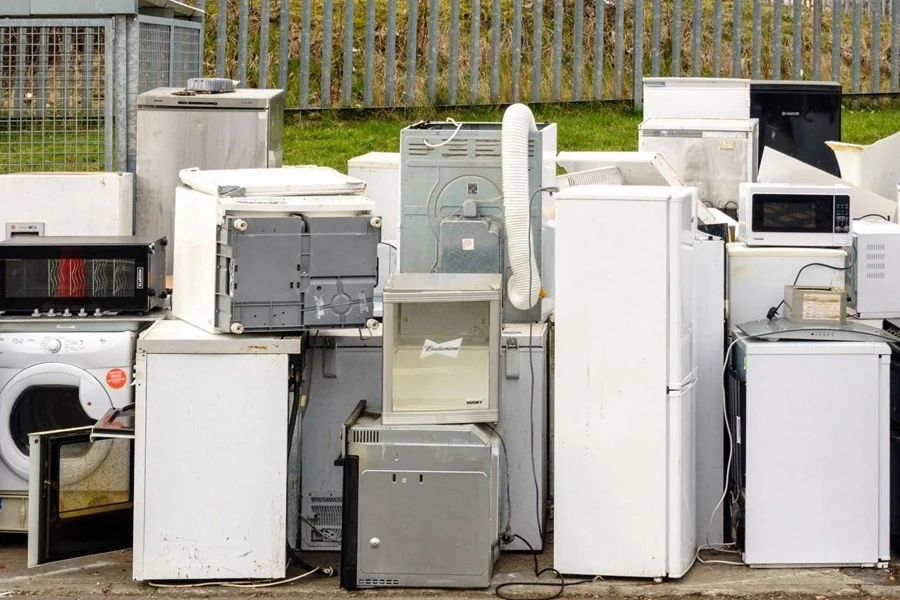
Old appliances can’t just go out with the bins. Fridges, washing machines, cookers, dishwashers and microwaves are all classed as WEEE (Waste Electrical and Electronic Equipment) under UK law, and councils can fine you for putting them out with general rubbish. We’ve covered the WEEE rules in more detail in our WEEE recycling guide.
You’ve got a few options:
- Sell or give it away: Facebook Marketplace and Freecycle work well if the appliance still runs.
- Donate it: charities such as the British Heart Foundation accept working appliances and often collect for free.
- Take it to the tip yourself: your local Household Waste Recycling Centre takes appliances free of charge, but you’ll need a vehicle and someone to help lift it.
- Book a collection: if you don’t have transport, or the appliance is too heavy to move safely, a professional collection is the easiest option — especially on a moving day when you’ve already got enough to carry.
We collect fridges and freezers, washing machines, cookers and ovens, dishwashers and microwaves across the UK, often on the same day you call. Working appliances go to our charity network. Anything broken is recycled at a licensed WEEE facility.
Curious what removal typically costs compared with a council collection? Our appliance removal cost guide breaks down 2026 prices by option.
Getting Ready for Collection Day
A few things make collection day much smoother, whether you use us or anyone else:
- Disconnect the appliance from power and water beforehand, if it’s safe to do so
- Defrost fridges and freezers at least 24 hours in advance
- Clear a path so the team isn’t squeezing past moving boxes
- Have the make and model to hand if you’re still waiting on a quote
FAQs
Do I have to leave my washing machine when I move out?
Only if it’s integrated or built into the kitchen units. A freestanding washing machine is yours to take, unless you’ve agreed otherwise with the buyer.
Can my landlord charge me for taking an appliance that came with the property?
Yes. If an appliance was listed on your inventory and you remove it, your landlord can usually deduct the cost from your deposit.
What happens if the fixtures and fittings form isn’t clear?
Talk to your solicitor before exchange. Disputes after completion are far harder, and more expensive, to sort out than a five-minute conversation beforehand.
Can I just leave an old appliance out for the council to collect?
Not without booking it first. Appliances need to go through a proper WEEE collection route — a booked council collection, a recycling centre, or a licensed removal company. Leaving items out for general collection can result in a fine.
Is it cheaper to move my appliances or replace them?
It depends on the appliance’s age and condition, and how far you’re moving. For anything over about seven years old, replacing it is often better value once you factor in transit risk and moving-day costs.
Clearing out before a house sale, or getting a rental ready for new tenants? Get a free quote and we’ll take the appliances off your hands, often the same day. Landlords managing a tenant turnover should also read our landlord’s guide to appliance disposal. You can read more about us here.