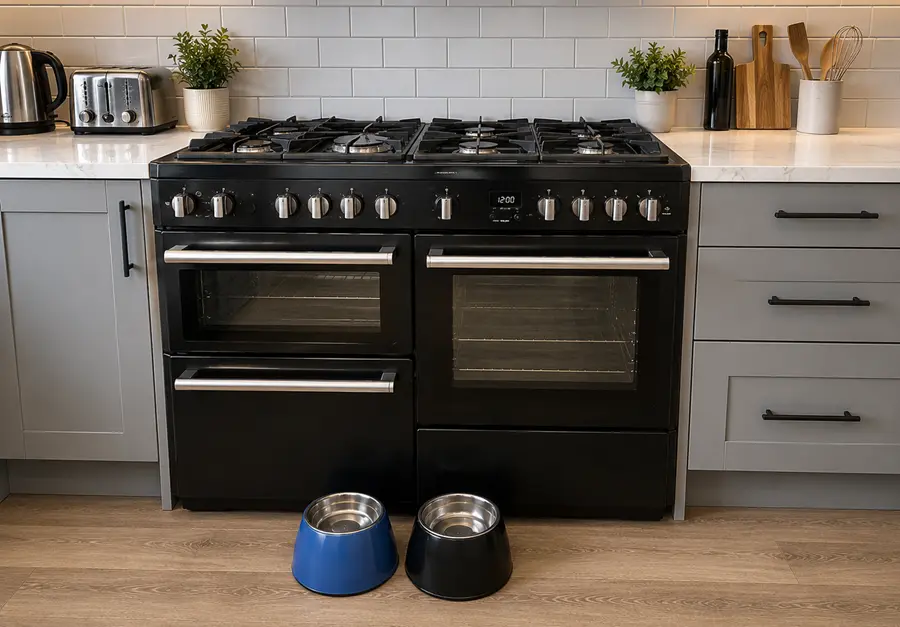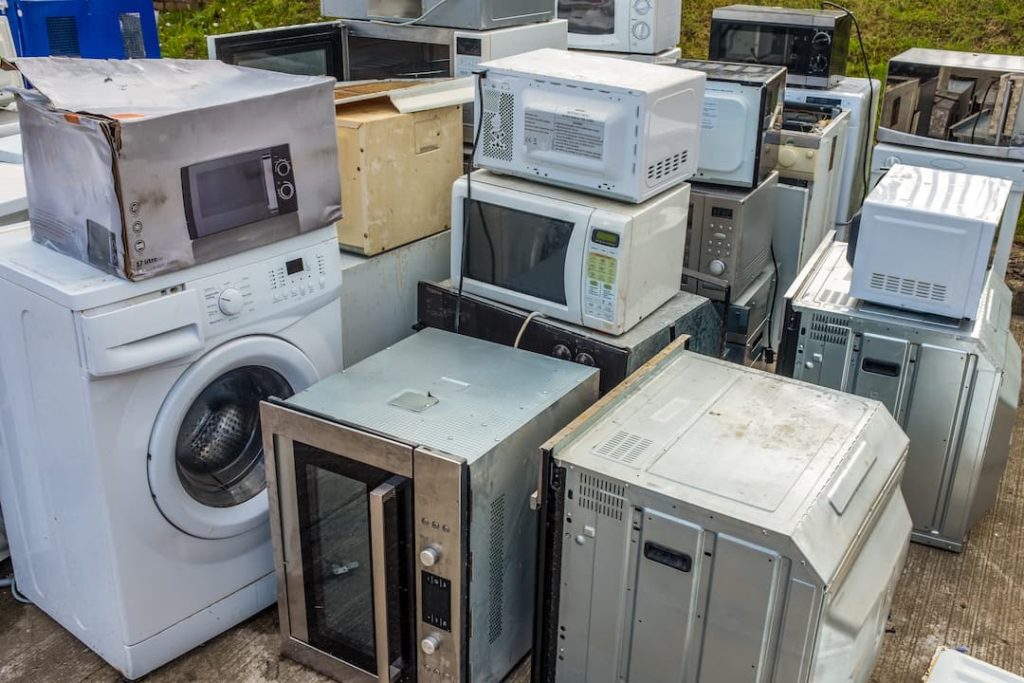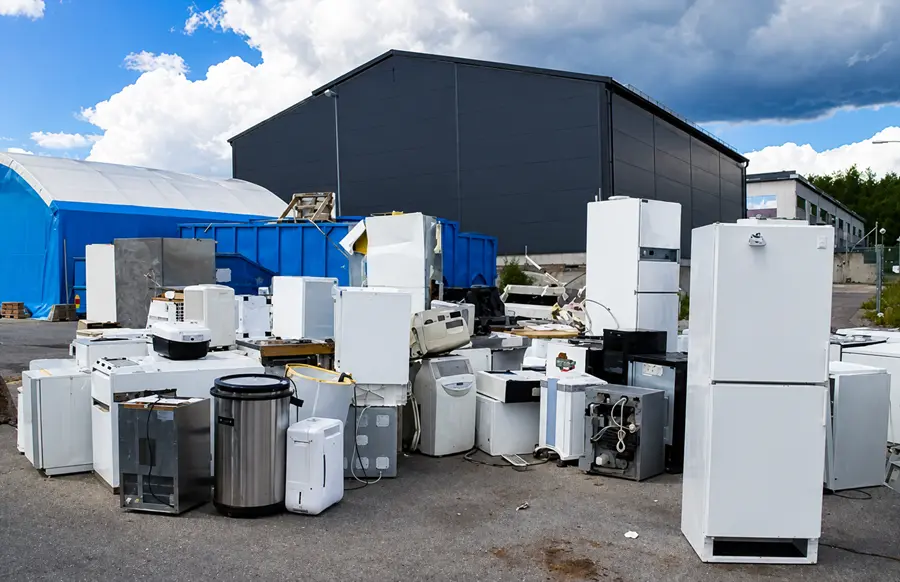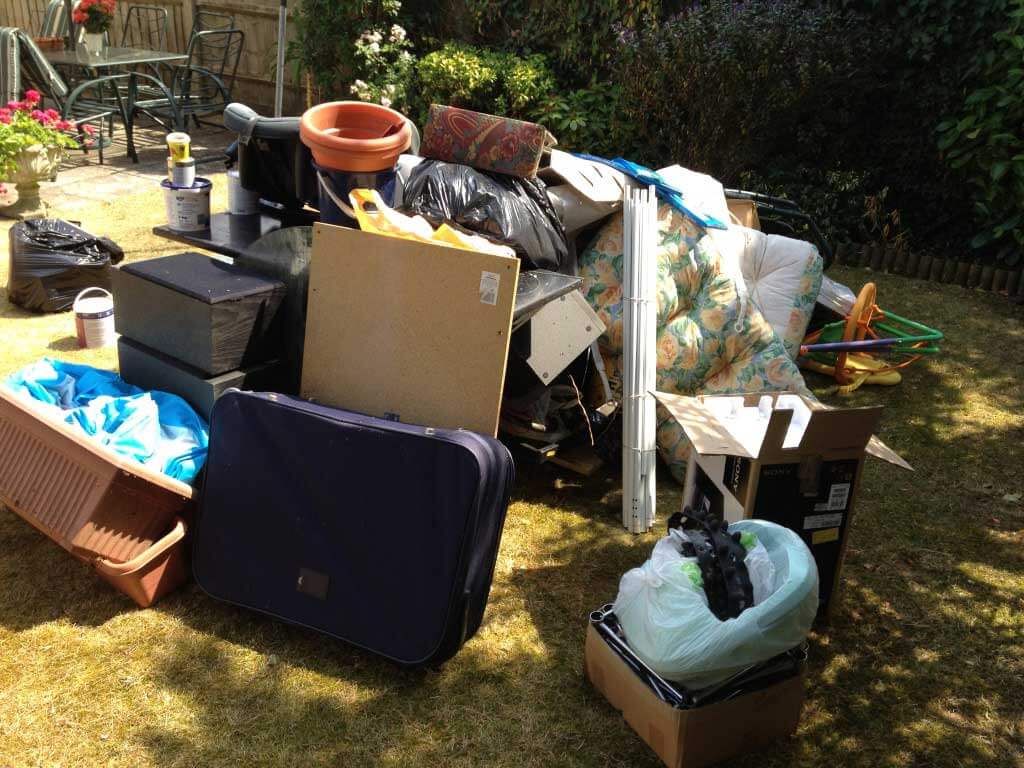
Tenant moved out. Property needs to be ready for the next one.
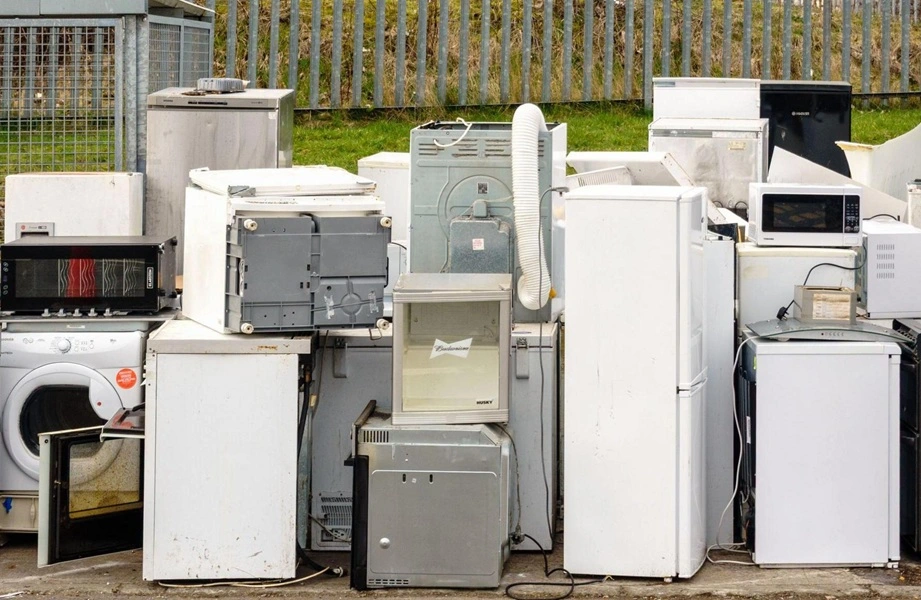
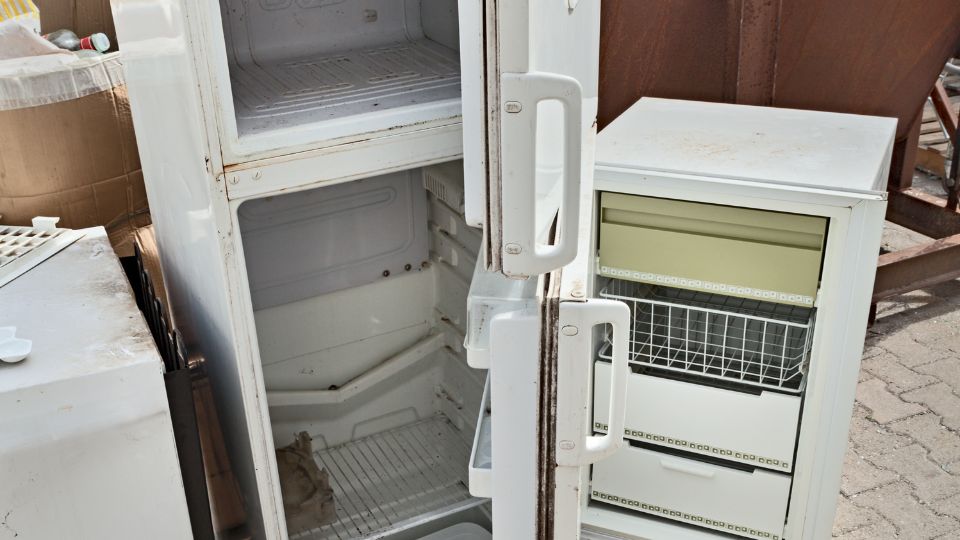
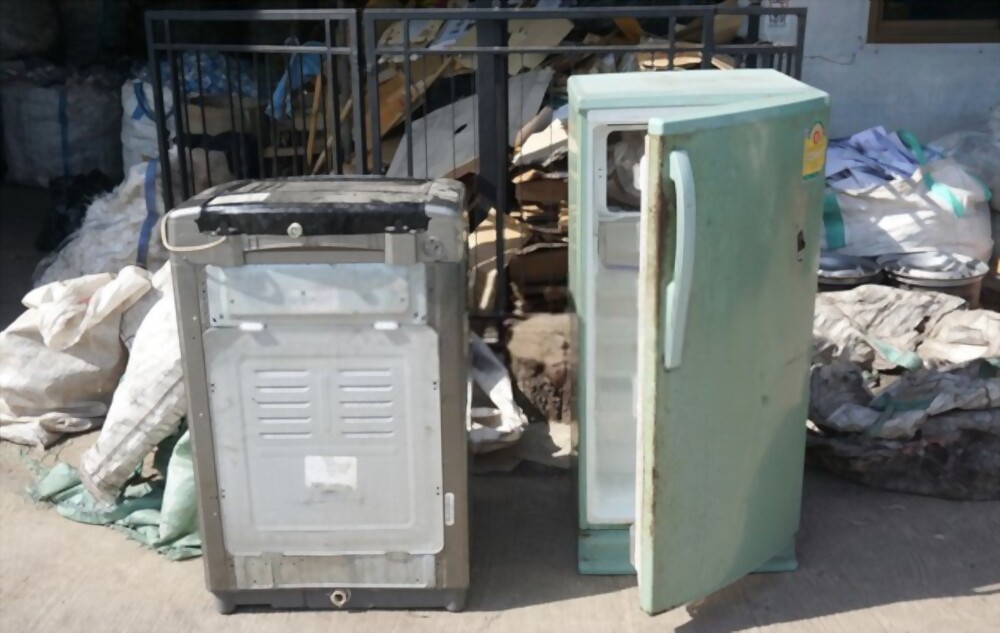
But there is an old washing machine in the kitchen that stopped working six months ago. A fridge the tenant left behind. Maybe a cooker that came with the property when you bought it in 2018 and is long overdue for replacement.
Getting rid of these appliances is not as simple as calling the council or leaving them on the pavement. As a landlord, you have legal obligations around waste disposal that most people do not fully understand — until they get caught out.
This guide covers everything you need to know. Legal responsibilities, WEEE obligations, waste transfer notes, the fastest disposal routes, and whether you can claim any of it as a business expense.
Who Is Responsible for Appliance Disposal in a Rental Property?
The short answer: it depends on who owns the appliance.
If the appliance belongs to you as the landlord — you provided it as part of the tenancy — then you are responsible for disposing of it when it reaches the end of its life.
If the appliance belonged to the tenant — they brought it with them when they moved in — then in theory it is their responsibility to remove it when they leave. But if they leave it behind, the situation becomes more complicated. More on that below.
The important thing to understand is this: whoever arranges disposal of the appliance is legally responsible for making sure it is done correctly. Handing a fridge to an unlicensed collector, or leaving a washing machine on the pavement, can expose you to a fine — even if someone else physically moved it.
Under the Environmental Protection Act 1990, the original producer of commercial waste has a duty of care that does not end when the item leaves their hands. As a landlord running a property business, any waste you generate through managing and maintaining your properties is classified as commercial waste.
Your Legal Obligations as a Landlord
Most landlords are not aware of the full extent of their waste obligations. Here is what the law actually says.
Duty of Care
The Environmental Protection Act 1990 (Section 34) places a statutory duty of care on anyone who produces, carries, keeps, or disposes of controlled waste. As a landlord, maintaining and clearing a rental property generates controlled waste — including old appliances.
Your duty of care means you must:
- Store waste safely and securely until it is collected
- Use only a licensed waste carrier to remove it
- Make sure the waste goes to a facility that is authorised to receive it
- Obtain a waste transfer note as evidence the waste was handled correctly
Failing to meet your duty of care is a criminal offence. Fines can reach up to £5,000 in the Magistrates Court — and unlimited fines if the case goes to Crown Court.
WEEE Regulations
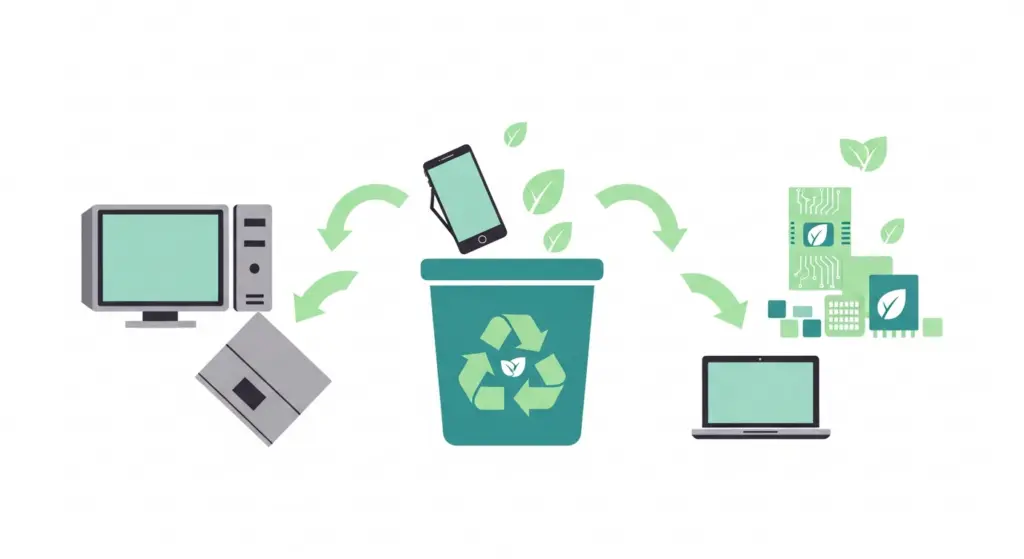
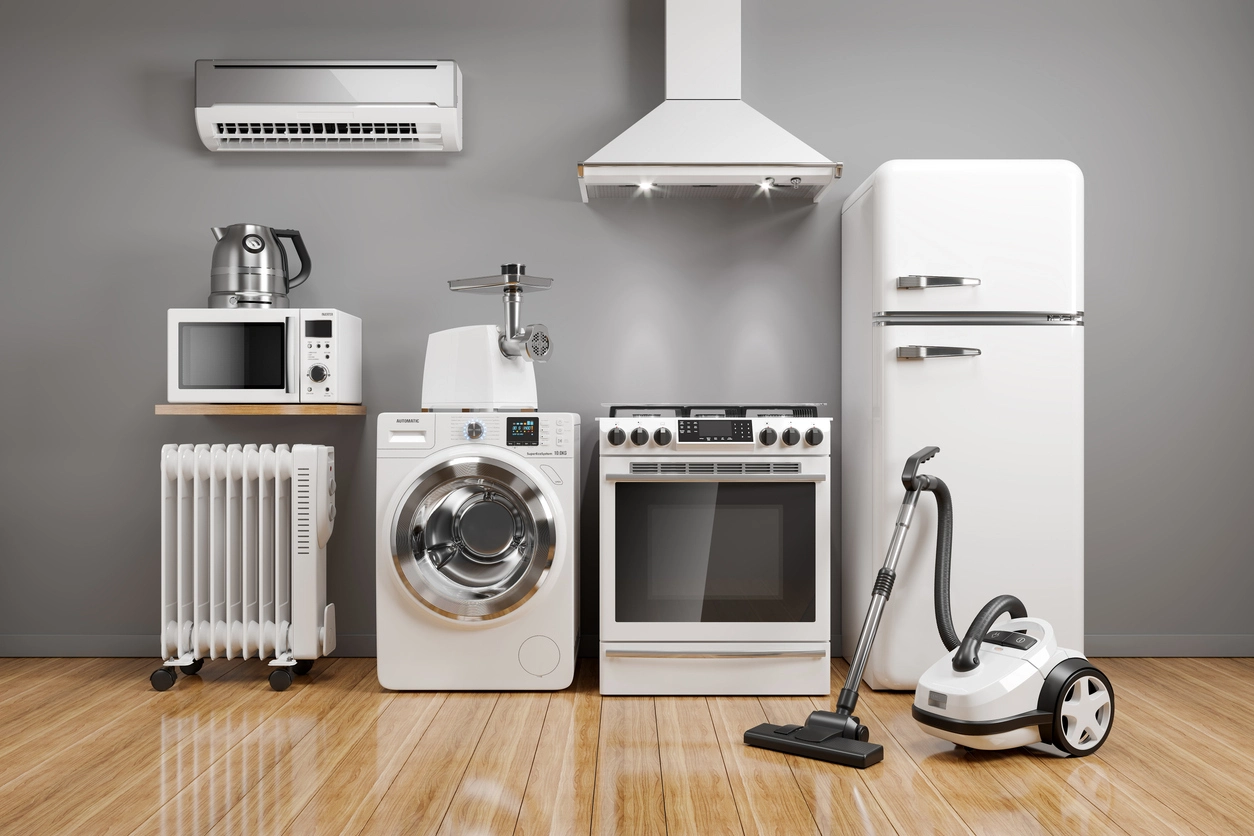
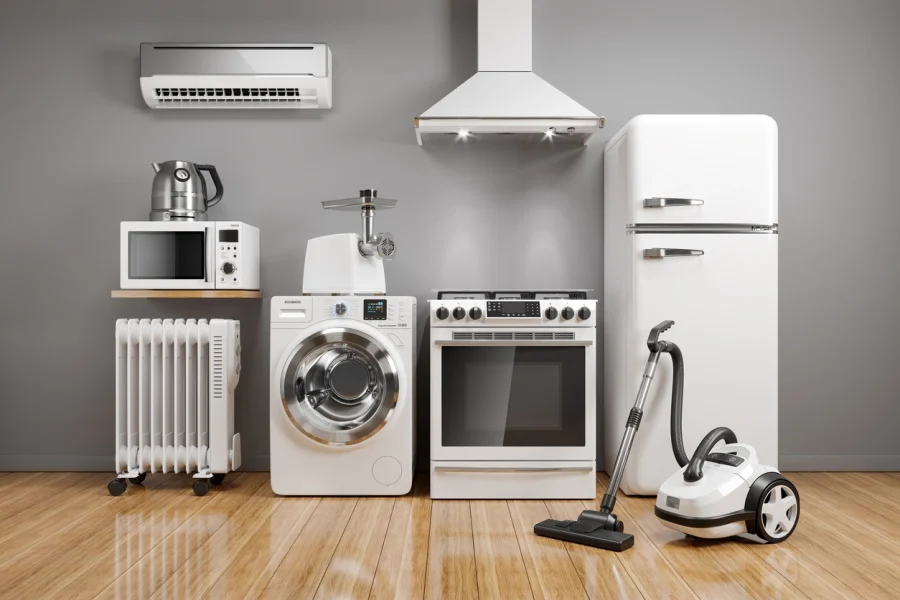
Fridges, washing machines, cookers, dishwashers, and other electrical appliances are classed as WEEE (Waste Electrical and Electronic Equipment). They cannot be disposed of through general waste routes.
WEEE regulations in the UK require that electrical appliances are collected and processed through licensed WEEE recycling facilities. As the person arranging disposal, you are responsible for making sure the route you use is compliant.
The key risk: some cheap “house clearance” operators are not WEEE-licensed. They take your money, collect the appliance, and dump it illegally. If that appliance is then traced back to you via a serial number or label, you can face enforcement action — even though you paid for a service.
Always check that the company you use holds a valid waste carrier licence on the Environment Agency’s public register before handing over any appliance.
Gas Cooker Rules
If your rental property includes a gas cooker, there is an additional requirement. Under the Gas Safety (Installation and Use) Regulations 1998, a Gas Safe registered engineer must disconnect a gas cooker before it can be removed.
This is a legal requirement — not optional. Any removal company must confirm the cooker has been properly disconnected and capped before they collect it.
As the property owner, this is your responsibility to arrange, not the removal company’s.
What Is a Waste Transfer Note — and Do You Need One?
Yes. If you are a landlord and you are paying a company to remove appliances from your rental property, you need a waste transfer note.
A waste transfer note is a legal document that records the handover of waste from one party to another. It shows:
- What waste was transferred (description and quantity)
- Who transferred it (you, the landlord)
- Who received it (the waste carrier)
- The date and location of the transfer
- The waste carrier’s licence number
You must keep waste transfer notes for a minimum of two years. If you are ever investigated for fly-tipping — for example, if a removed appliance is found dumped — your waste transfer note proves you used a legitimate, licensed service. Without it, you have no defence.
A reputable appliance removal company like Scrap My Appliance provides waste transfer notes as standard. If a company cannot or will not provide one, do not use them.
The Fastest Disposal Routes Between Tenancies
When a tenancy ends, you usually want the property ready for the next tenant as quickly as possible. Every day the property sits empty costs you money.
Here are the options, ranked by speed:
Professional Removal Service — Same Day or Next Day
This is the fastest route. A professional, licensed service can collect from your property the same day or next day in most UK areas.
Scrap My Appliance covers homes, rental properties, and commercial premises across the UK. Our two-person teams arrive in a pre-booked slot, remove appliances from anywhere in the property — including upstairs rooms and tight spaces — and provide a waste transfer note on the day.
For landlords clearing a property between tenancies, we can take multiple appliances in a single visit: fridge, washing machine, cooker, dishwasher — all in one booking.
We regularly work with:
- Private landlords with one or two properties
- Portfolio landlords managing 10–50+ properties
- Property management companies
- Letting agents organising end-of-tenancy clearances
If you are also looking at cooker removal, fridge disposal, or washing machine removal — we handle all of these in a single visit, which keeps the cost per item down.
Call 0800 599 9003 or get a quote online.
Council Bulky Waste Collection — 1 to 4 Weeks
Your local council’s bulky waste service accepts appliances. Prices range from free to £85 depending on the area.
The problem for landlords is timing. Most councils have waiting times of one to four weeks. That is a long time to have a property sitting empty between tenancies.
Also note: commercial waste is not the same as domestic waste. As a landlord maintaining a rental property, the waste you generate during management is technically commercial waste, not household waste. Some councils will not collect commercial waste under their domestic bulky waste scheme. Check with your local authority before booking.
Household Waste Recycling Centre — Free, If You Can Transport It
Taking appliances to your local HWRC is free. But you need to transport them yourself, which means a suitable vehicle and someone to help lift.
For a single property with one or two old appliances, this can work. For a landlord clearing multiple properties or dealing with heavy range cookers, it is impractical.
HMO Properties: Are the Rules Different?
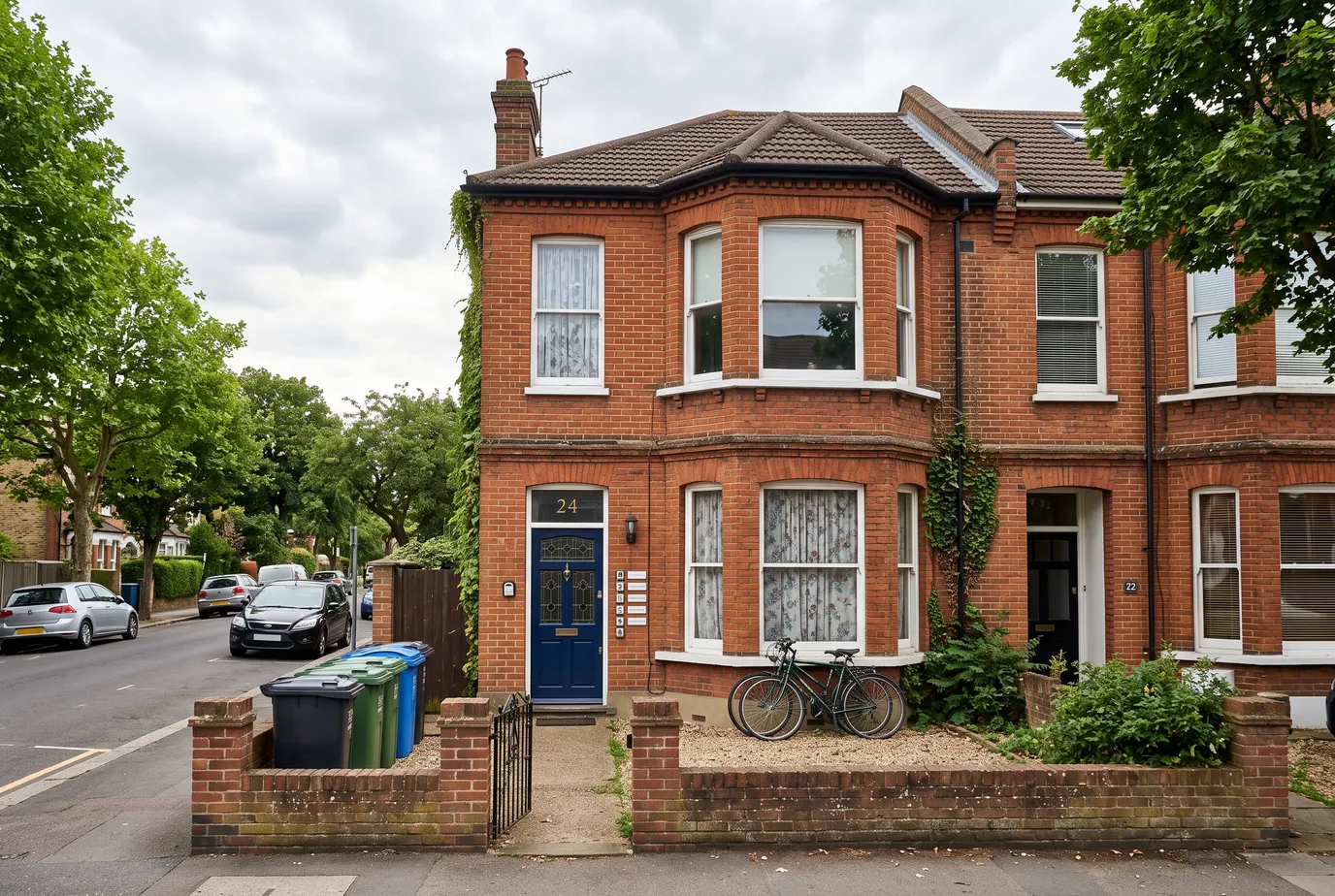
HMOs (Houses in Multiple Occupation) come with additional regulatory requirements. But the core waste obligations are the same: duty of care, WEEE compliance, and waste transfer notes apply regardless of the property type.
However, HMOs present a particular challenge because:
- Tenants move in and out more frequently, meaning more frequent appliance turnover
- Shared kitchens often contain multiple appliances of varying age and condition
- You may not always know what tenants have brought in themselves versus what came with the property
Practical advice for HMO landlords:
Keep a simple appliance log for each property. Note what appliances you provided, their approximate age, and their condition at the start of each tenancy. This makes it much easier to identify which appliances are your responsibility to dispose of and which belonged to tenants.
When clearing between tenancies, treat all appliances as your responsibility unless you can prove they were brought in by a tenant. It is not worth the legal risk of arguing ownership when the fine for improper disposal is significantly more expensive than a professional collection.
When a Tenant Leaves Appliances Behind
This is one of the most common situations landlords ask about.
A tenant moves out and leaves an old washing machine in the utility room. Or a fridge that they brought with them and clearly no longer want. Maybe they said they would come and collect it — and then went quiet.
Legally, you cannot just throw it away. Even though it is not your appliance, the moment you arrange for it to be removed from your property, you become responsible for how it is disposed of.
Your options:
1. Give the tenant a deadline. Write to them formally giving a reasonable deadline to collect the appliance — seven to fourteen days is typical. Keep a record of this communication.
2. After the deadline, arrange licensed removal. Once the deadline passes without response, you are justified in arranging removal. Use a licensed waste carrier and get a waste transfer note. Keep all your communications with the tenant in case any dispute arises later.
3. Charge the cost back to the tenant. If the tenant’s failure to remove their appliance causes you a financial loss — the cost of removal — you may be able to claim this from their deposit. Make sure you have documented the appliance, the notices given, and the removal costs clearly.
What you should not do:
- Leave the appliance on the pavement for the council to deal with (fly-tipping)
- Give it to an unlicensed collector (your duty of care still applies)
- Abandon it in a communal area or shared garden (also fly-tipping)
Appliances in Good Condition: Donate or Sell?
If the appliances are still working — or can be easily repaired — the most responsible option is to give them a second life rather than recycling them.
Donation options:
- British Heart Foundation — collects working kitchen appliances free of charge from many UK areas
- Local furniture reuse networks — often accept working fridges, washing machines, and cookers for families in need
- Freecycle and Freegle — list for free and someone in your area will collect
- Facebook Marketplace (free listings) — very effective for working appliances
As a landlord, donating working appliances is also good for your property’s compliance record. The British Heart Foundation provides a receipt confirming the donation, which you can keep for your records.
Selling options:
If the appliance is in good condition and branded, it may be worth selling. A working Bosch washing machine or a Zanussi fridge freezer can sell for £50–£150 on eBay or Facebook Marketplace with local collection. This is worth considering, but do not let it delay your void period unnecessarily — the rental income loss from a delayed tenancy will quickly outweigh any sale value.
Is Appliance Disposal Tax Deductible for Landlords?
This is a question many landlords have — and the answer is: yes, in most cases.
The cost of removing and disposing of appliances from a rental property is generally considered a revenue expense — a cost of managing and maintaining the property. As such, it is typically tax-deductible against your rental income.
This covers:
- Professional appliance removal costs
- Any council collection charges
- Waste transfer note fees
However, if you are replacing an appliance rather than just removing an old one, the replacement appliance itself may be subject to the replacement of domestic items relief rules rather than straightforward revenue deduction.
Always consult your accountant for advice specific to your circumstances. Tax rules change and individual situations vary. The general principle — that removal and disposal costs are revenue expenses — is widely applied, but your accountant’s advice is the only reliable source for your specific tax position.
How Much Does Landlord Appliance Removal Cost?
Here is a quick 2026 cost overview for the most common scenarios:
| Scenario | Typical Cost |
|---|---|
| Single appliance removal (fridge, washing machine) | £40–£90 |
| Two appliances removed in one visit | £70–£140 |
| Full kitchen clearance (3–5 appliances) | £100–£200 |
| Range cooker removal | £75–£120 |
| Commercial multiple property clearance | Custom quote |
Cost factors:
- Location — London and the South East run 20–30% higher than other UK regions
- Access — upstairs rooms, narrow hallways, or no-lift flats may add a small surcharge
- Number of items — booking multiple appliances together reduces the per-item cost significantly
- Same-day vs next-day — same-day slots may cost a little more in some areas
Waste transfer notes are included as standard with Scrap My Appliance — no hidden charges.
For portfolio landlords managing multiple properties, we offer scheduled collection programmes with consolidated billing and documentation. Call 0800 599 9003 to discuss.
FAQs
Who is responsible for appliance disposal in a rental property?
The person who owns the appliance is responsible for its correct disposal. If you as the landlord provided the appliance as part of the tenancy, it is your responsibility when it reaches end of life. If a tenant brought an appliance themselves, it is theirs — but if they leave it behind, you become responsible for arranging licensed removal once you have given them a reasonable opportunity to collect it.
Do landlords have a duty of care for appliance disposal?
Yes. Under the Environmental Protection Act 1990, anyone who produces commercial waste — including landlords managing rental properties — has a statutory duty of care. This means you must use a licensed waste carrier and obtain a waste transfer note. Failing to do so is a criminal offence carrying fines up to £5,000 or more.
What is a waste transfer note and do I need one?
A waste transfer note is a legal document recording the handover of waste from you to a licensed collector. As a landlord, yes — you need one every time you pay a company to remove appliances from your property. Keep it for at least two years. Scrap My Appliance provides waste transfer notes as standard on every collection.
Can tenants leave appliances behind when they move out?
Legally, tenants are supposed to remove items they brought with them. In practice, many leave appliances behind. If this happens, give the tenant written notice to collect, wait a reasonable period (7–14 days), then arrange licensed removal and document everything. You may be able to claim the removal cost from their deposit.
Is appliance removal tax deductible for landlords?
In most cases, yes. The cost of removing and disposing of appliances from a rental property is generally a revenue expense deductible against rental income. Always confirm with your accountant for advice specific to your tax position.
Do I need a Gas Safe engineer to disconnect a gas cooker?
Yes. Under the Gas Safety (Installation and Use) Regulations 1998, a Gas Safe registered engineer must disconnect any gas cooker before it can be removed. This applies to rental properties too. You need to arrange this separately — the removal company handles collection once the cooker is safely disconnected and capped.
How do I dispose of appliances in an HMO property?
The same rules apply — duty of care, WEEE compliance, waste transfer notes. HMOs tend to have more frequent appliance turnover, so it is worth establishing a relationship with a reliable licensed removal service. Keep an appliance log for each property so you know what you provided versus what tenants brought in.
Can I use my council’s bulky waste service for rental property appliances?
Some councils will only collect domestic household waste, not commercial waste from a landlord’s rental activity. Check with your local authority. If commercial waste is not covered, or if the waiting time is too long for your void period, a professional removal service is the practical alternative.
Does Scrap My Appliance work with landlords and letting agents?
Yes. We regularly work with private landlords, portfolio landlords, letting agents, and property management companies across the UK. We provide waste transfer notes on every collection, handle multiple appliances in a single visit, and offer scheduled programmes for portfolio landlords. Call 0800 599 9003 to discuss your requirements.
Need Appliances Removed Between Tenancies?
Scrap My Appliance is a WEEE-licensed appliance removal and recycling service trusted by landlords and letting agents across the UK.
We provide:
- Same-day and next-day collection in most UK areas
- Waste transfer notes on every job — no exceptions
- Collection from anywhere in the property — no heavy lifting required from you
- Multiple appliance collections in a single visit
- Working appliances donated to UK charities
- Transparent, fixed pricing agreed upfront
We handle fridge disposal, washing machine removal, cooker removal, dishwasher disposal, and all other domestic and commercial appliances.
Call free: 0800 599 9003
Or book a quick quote online — takes under 60 seconds.