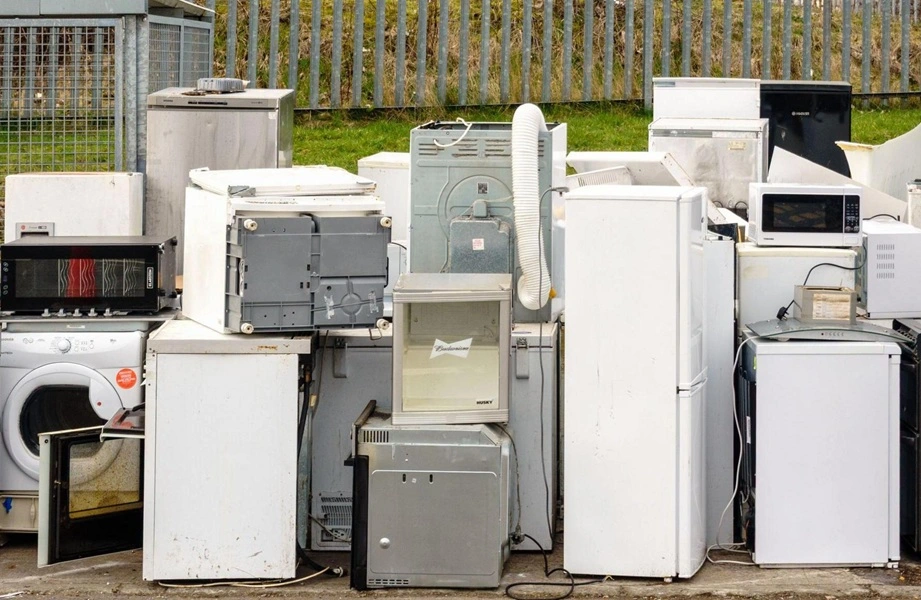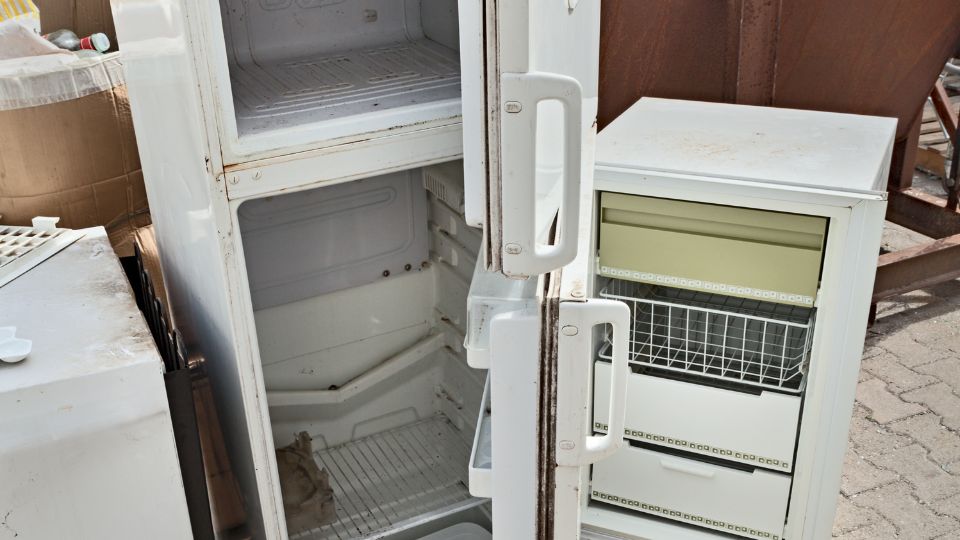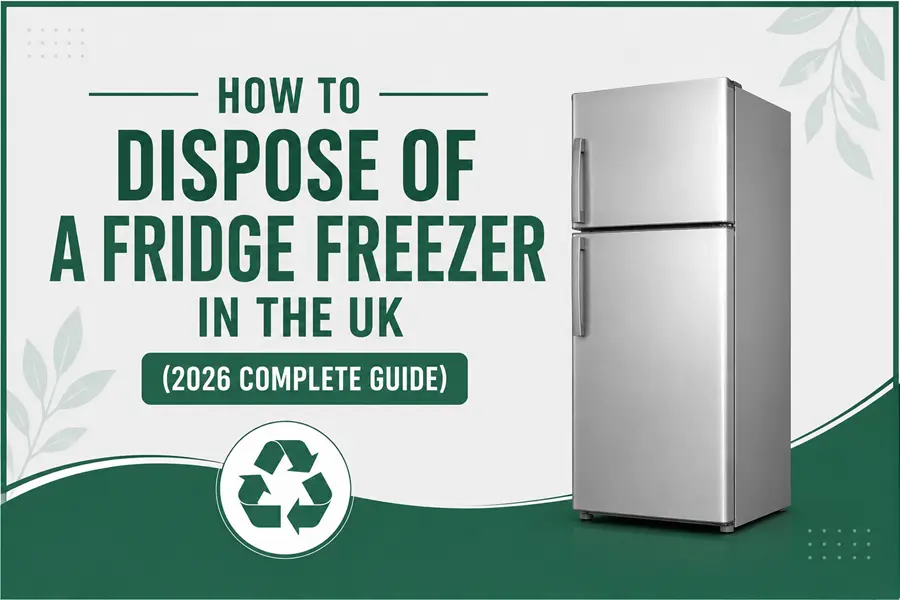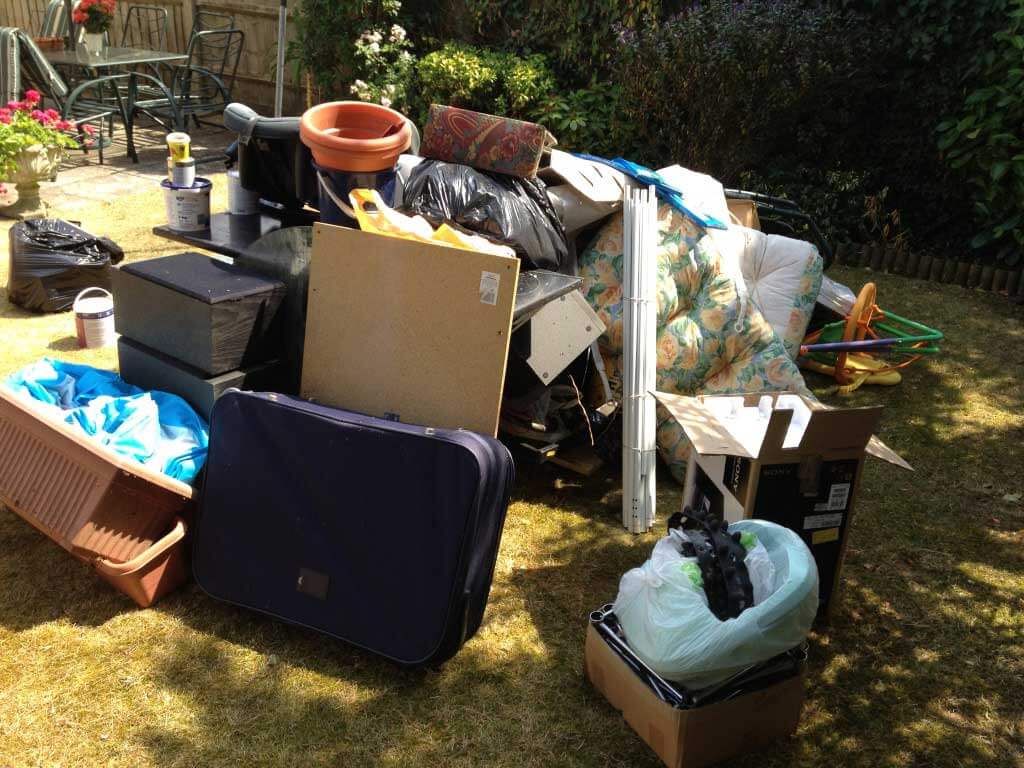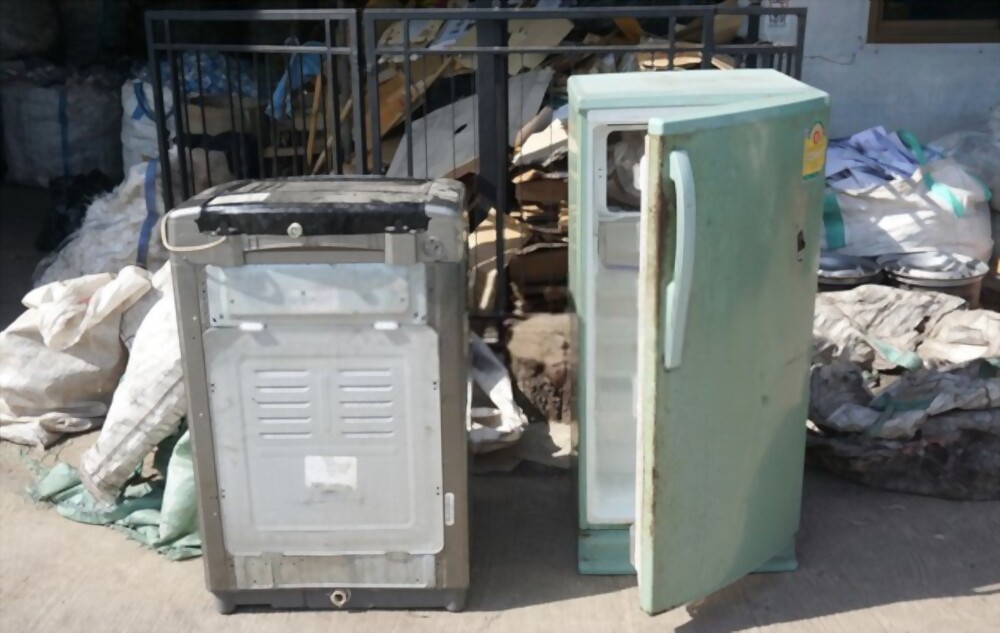
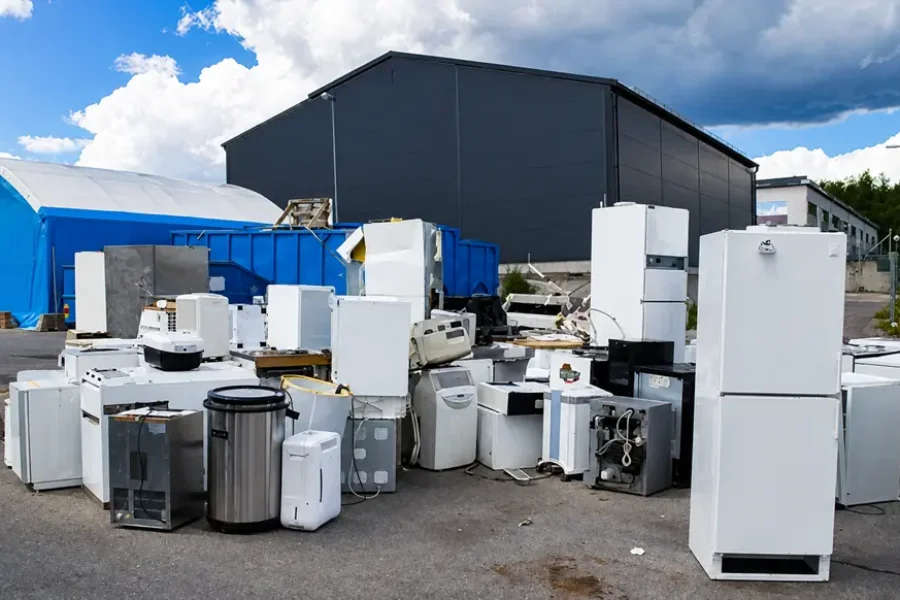
Old household appliances can be difficult to dispose of safely and legally. Whether you’re replacing a fridge freezer, washing machine, cooker or dishwasher, choosing the right disposal method is important for both environmental protection and compliance with UK waste regulations.
White goods contain valuable materials such as steel, aluminium, copper and recyclable plastics. They may also contain components that require specialist treatment. For this reason, responsible white goods disposal is essential.
In this guide, we’ll explain the best ways to dispose of white goods in the UK, why recycling matters and how professional appliance removal services can make the process simple and stress-free.
What Are White Goods?
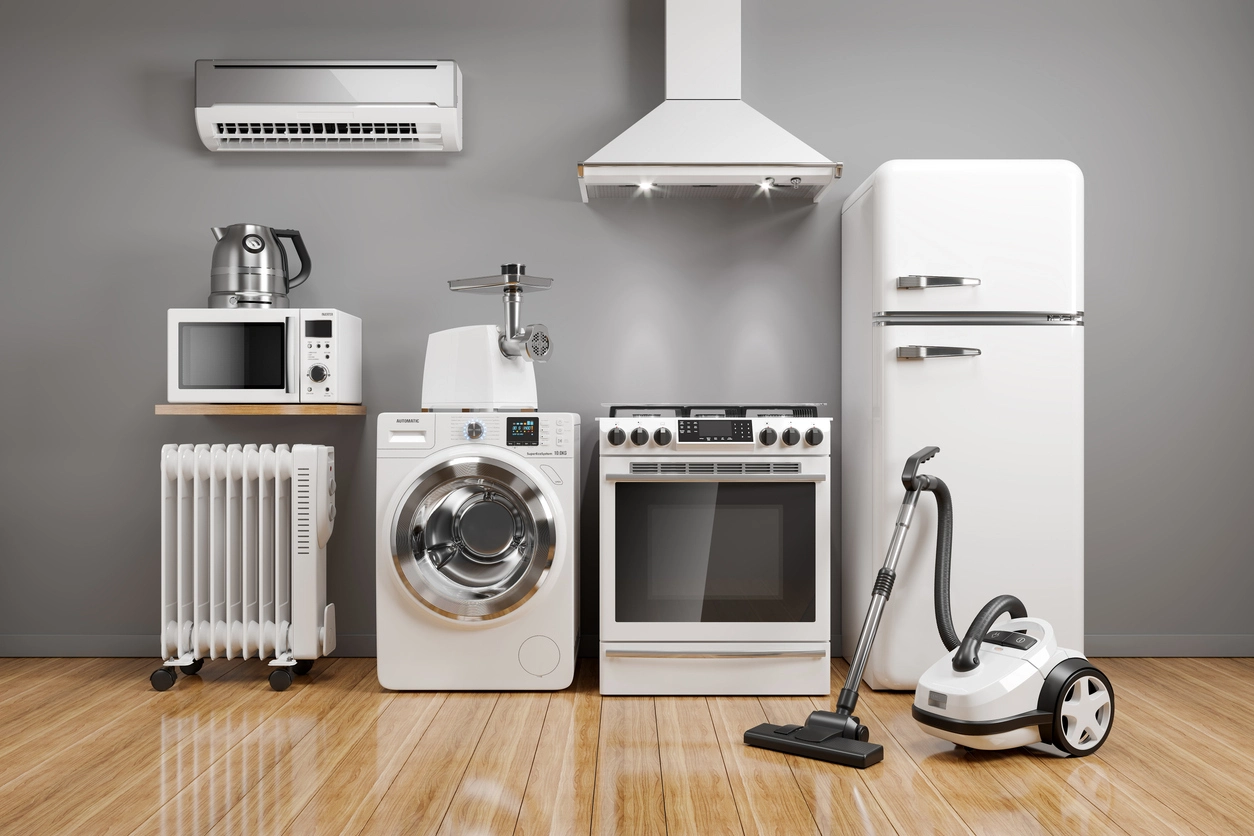
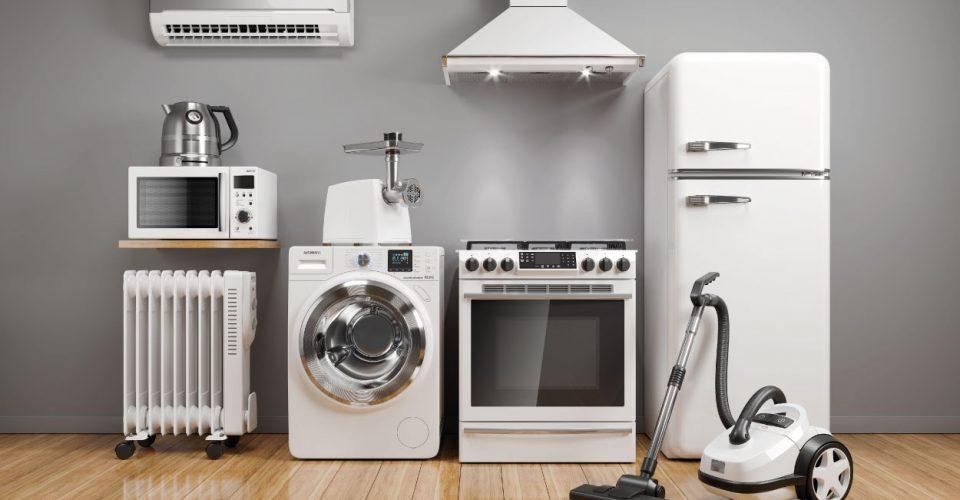
White goods are large household appliances commonly found in kitchens, utility rooms and commercial premises.
Examples include:
- Fridge freezers
- Refrigerators
- Freezers
- Washing machines
- Tumble dryers
- Dishwashers
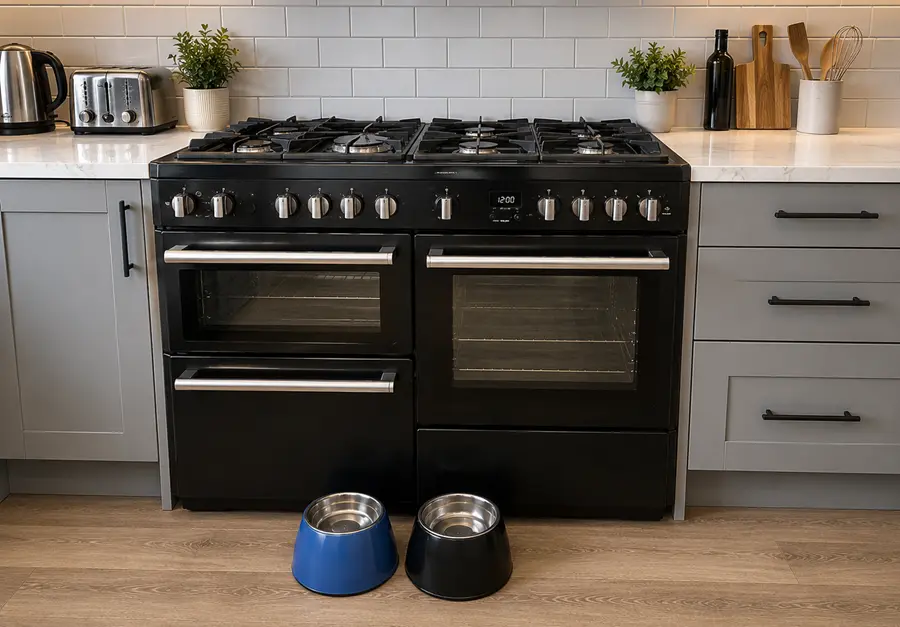
- Electric cookers
- Ovens
These appliances are designed for long-term use but eventually need replacing due to age, damage or upgrades.
Why Proper White Goods Disposal Matters
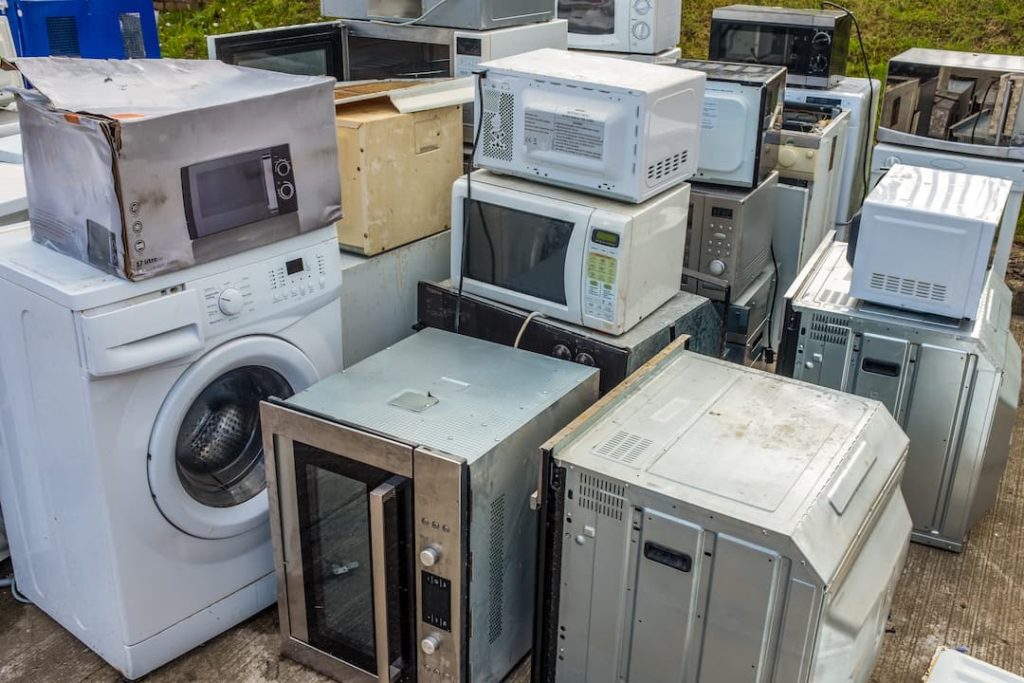
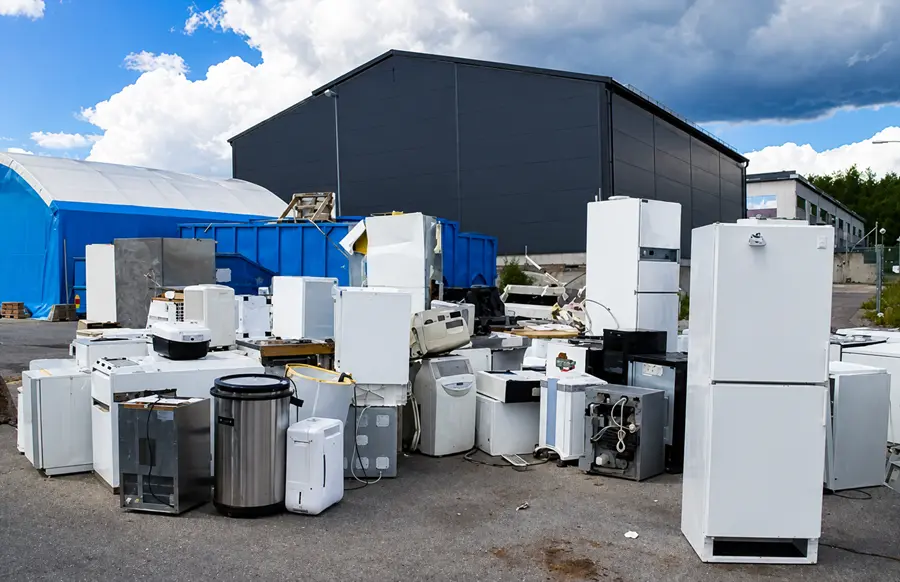
Many people are unaware that old appliances should not be abandoned, fly-tipped or disposed of with general household waste.
Responsible disposal helps:
- Reduce landfill waste
- Recover valuable raw materials
- Protect the environment
- Prevent harmful substances from entering the ecosystem
- Support sustainable recycling initiatives
Choosing professional appliance recycling services ensures appliances are processed correctly and responsibly.
The Best Ways to Dispose of White Goods in the UK
1. Use a Professional White Goods Collection Service
One of the easiest and most convenient solutions is to arrange collection through a professional appliance removal company.
Benefits include:
- Safe lifting and transportation
- Convenient collection times
- Eco-friendly recycling
- No heavy lifting required
- Responsible disposal methods
Professional teams can remove appliances directly from homes, flats, offices, restaurants and commercial properties.
2. Recycle Through Approved Facilities
Many recycling centres accept white goods for processing.
Once received, appliances are dismantled and recyclable materials are recovered for reuse in manufacturing.
This process helps reduce waste while conserving natural resources.
3. Donate Working Appliances
If an appliance is still functional, donation may be an option.
Extending the lifespan of household appliances reduces waste and can help families in need.
White Goods That Can Be Recycled
Most large household appliances can be recycled, including:
Fridge Freezers
Modern recycling facilities safely remove refrigerants and recover reusable materials.
Washing Machines
Steel, motors and electronic components can be recycled and reused.
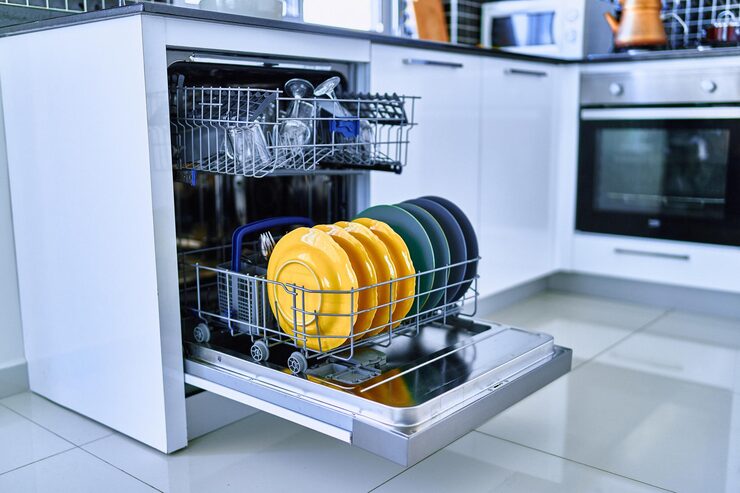
Dishwashers
Many dishwasher components can be recovered through specialist recycling processes.
Cookers and Ovens
Metal parts can often be recycled and repurposed.
Tumble Dryers
Electrical and metal components are separated and processed responsibly.
What Happens During Appliance Recycling?
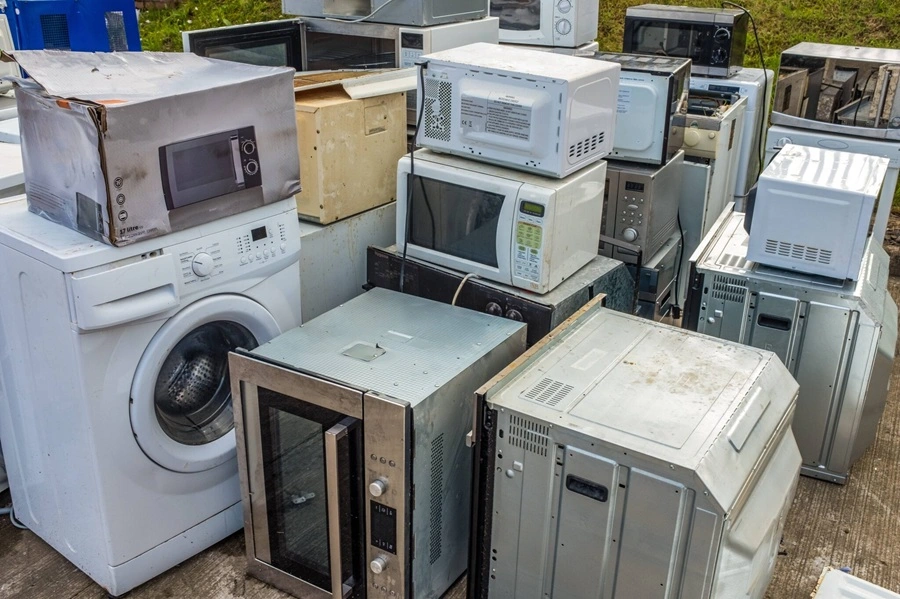
Professional recycling facilities use specialist equipment to process old appliances safely.
The process generally includes:
Collection
Appliances are collected from residential or commercial properties.
Transportation
Items are transported to licensed recycling facilities.
Material Recovery
Valuable materials such as steel, copper, aluminium and plastics are separated.
Responsible Processing
Any components requiring specialist treatment are handled safely.
This approach maximises recycling rates while reducing environmental impact.
White Goods Disposal for Businesses
Commercial premises often need professional appliance disposal services when upgrading equipment.
Common commercial clients include:
- Restaurants
- Cafés
- Hotels
- Offices
- Schools
- Property Management Companies
Professional appliance removal services help businesses dispose of equipment efficiently while maintaining environmental responsibility.
Why Choose Professional Appliance Removal?
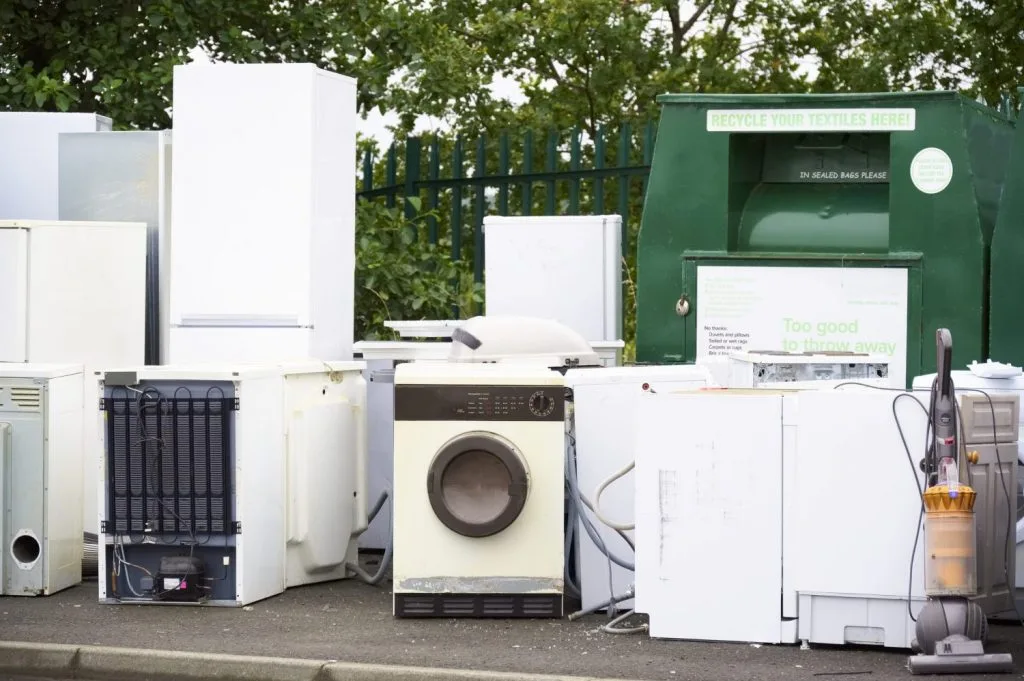
Professional appliance collection services offer several advantages:
- Fast collection
- Safe removal
- Fully insured teams
- Eco-friendly recycling
- Transparent pricing
- Responsible waste management
For many homeowners and businesses, professional collection is the quickest and most convenient solution.
Environmental Benefits of White Goods Recycling
Every recycled appliance helps:
- Reduce landfill usage
- Lower carbon emissions
- Recover valuable materials
- Conserve natural resources
- Support a circular economy
Recycling old appliances is one of the simplest ways to reduce environmental impact while supporting sustainability.
Frequently Asked Questions
What are white goods?
White goods are large household appliances such as fridges, freezers, washing machines, cookers and dishwashers.
Can white goods be recycled?
Yes. Most white goods contain recyclable materials that can be recovered and reused.
Is appliance recycling environmentally friendly?
Yes. Recycling reduces landfill waste and allows valuable materials to be reused.
Do professional collection companies remove appliances from inside the property?
Most professional services remove appliances directly from homes or business premises.
What is the best way to dispose of old appliances?
Using a professional appliance removal and recycling service is often the safest and most convenient option.
Final Thoughts
Responsible white goods disposal protects the environment, supports recycling efforts and ensures appliances are processed safely. Whether you need to dispose of a fridge freezer, washing machine, cooker or dishwasher, choosing professional appliance removal and recycling services provides a convenient and environmentally responsible solution.
If you’re looking for reliable white goods disposal across the UK, Scrap My Appliance offers professional collection, transparent pricing and eco-friendly recycling services for homes and businesses.