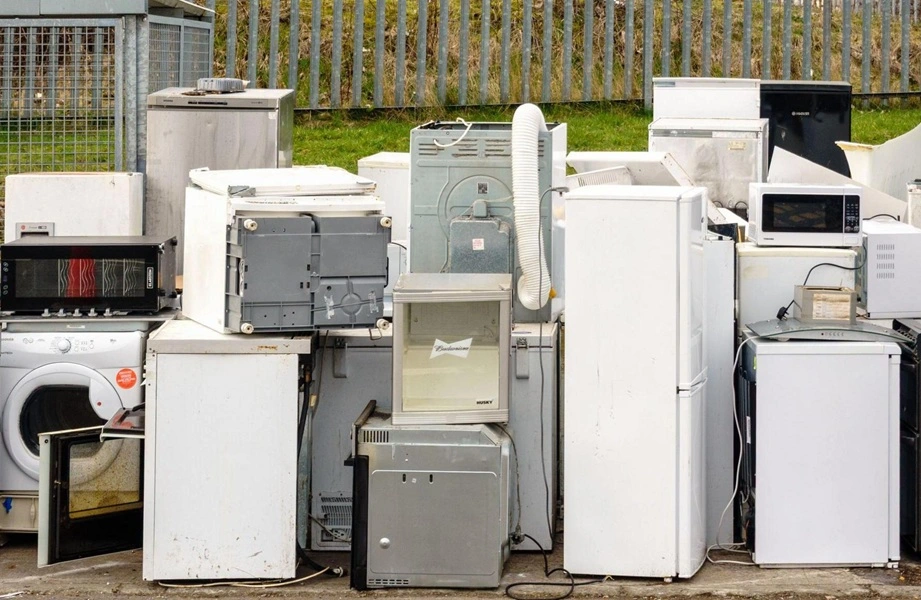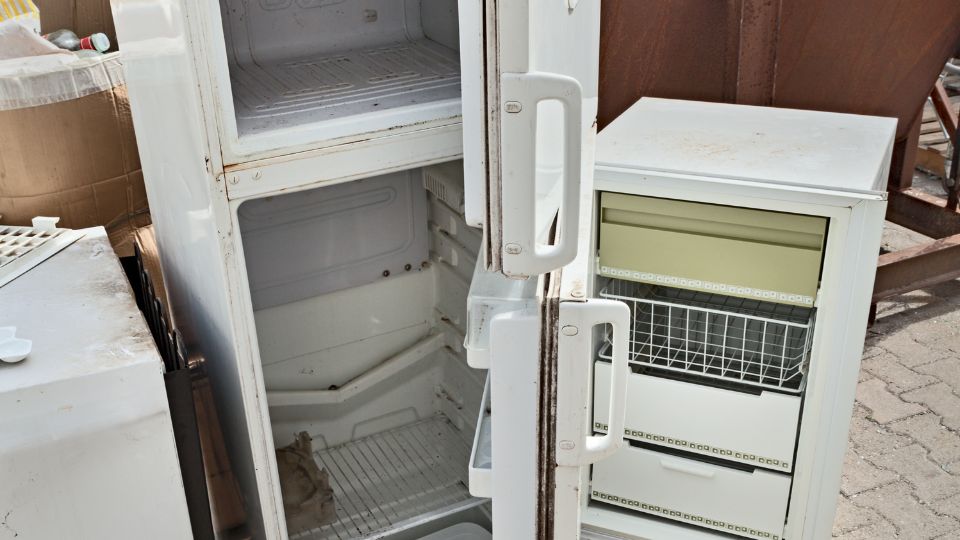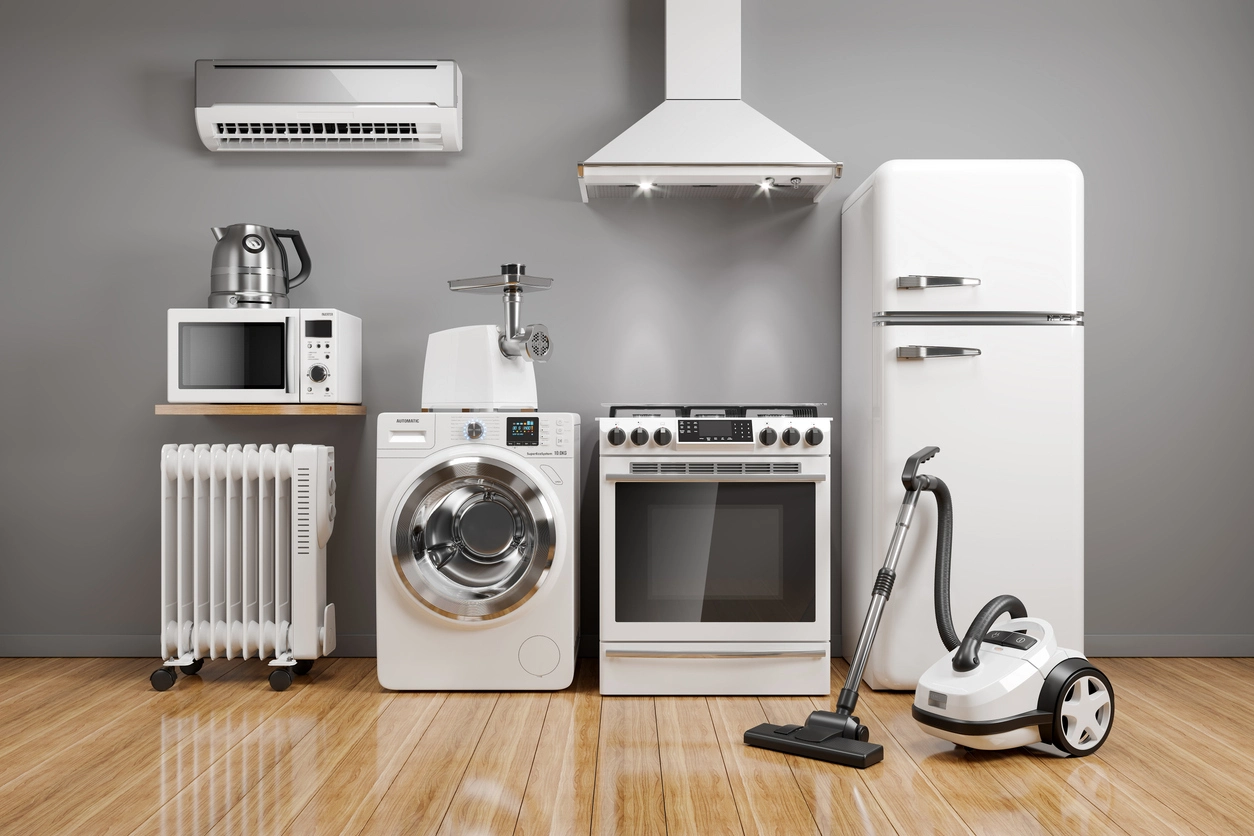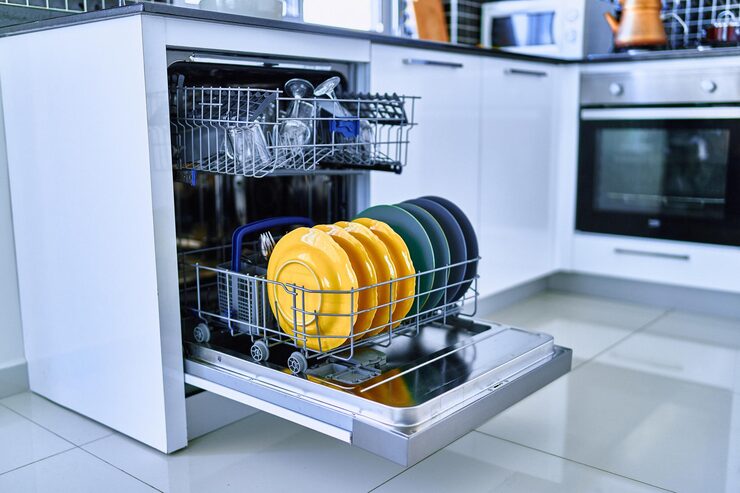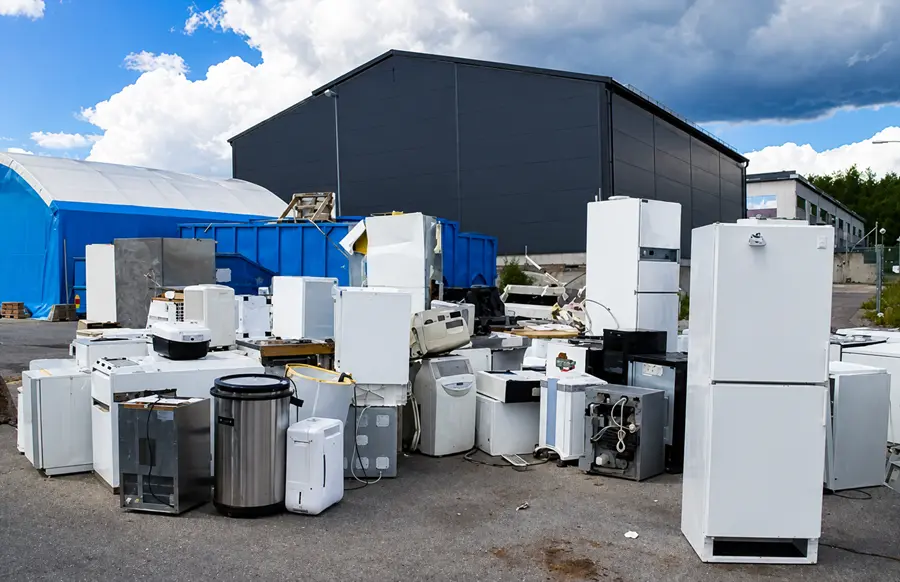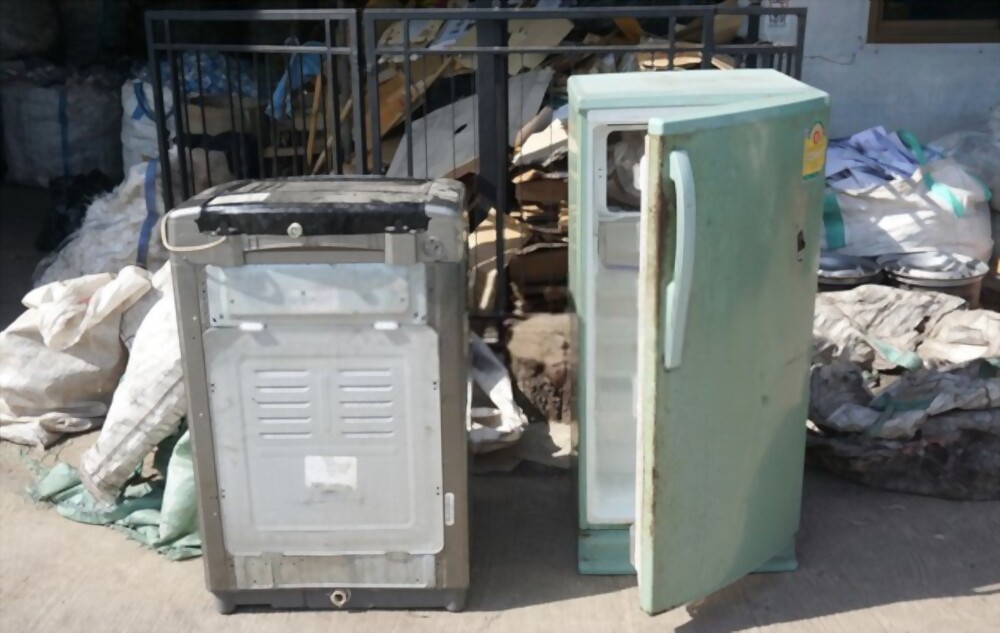
Every year, millions of electrical appliances reach the end of their useful life across the UK. Fridges, washing machines, cookers, dishwashers and microwaves cannot simply be thrown away with household rubbish because they contain recyclable materials and components that require specialist treatment.
The Waste Electrical and Electronic Equipment (WEEE) recycling system was introduced to reduce landfill waste, recover valuable resources and protect the environment. Understanding how WEEE recycling works helps homeowners and businesses make responsible disposal decisions while supporting a more sustainable future.
What Is WEEE Recycling?
WEEE stands for Waste Electrical and Electronic Equipment. It covers electrical products that are no longer wanted or have reached the end of their lifespan.
Common examples include:
- Fridge freezers
- Washing machines
- Tumble dryers
- Dishwashers
- Cookers
- Microwaves
- Televisions
- Office appliances
Instead of being sent to landfill, these items should be collected and processed through approved recycling systems.
Why Is WEEE Recycling Important?
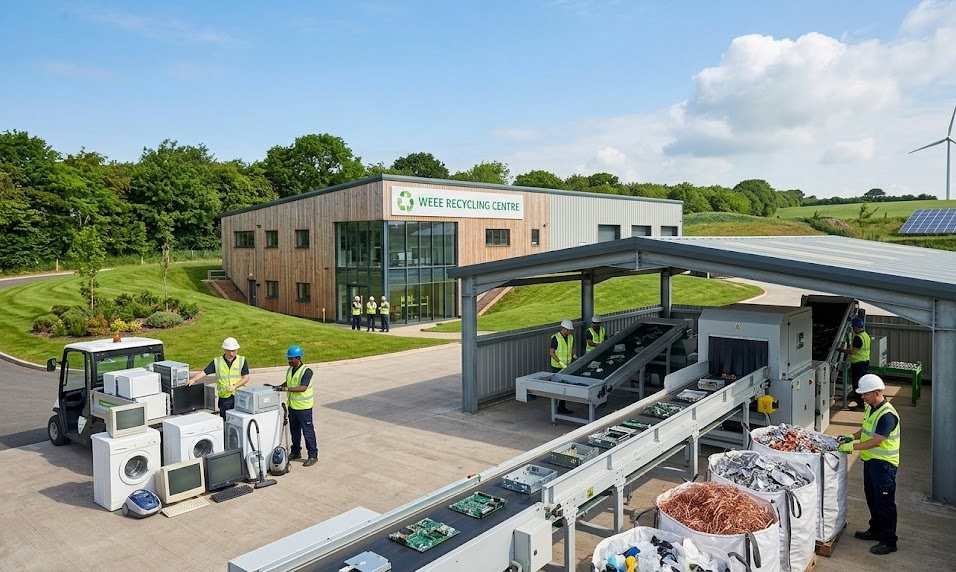
Electrical appliances contain metals, plastics and electronic components that can often be recovered and reused.
Responsible recycling helps:
- Reduce landfill waste
- Recover valuable raw materials
- Prevent pollution
- Reduce carbon emissions
- Support the circular economy
- Protect natural resources
Every Appliance Removal & recycled responsibly contributes to a cleaner environment and a more sustainable UK.
What Happens to Recycled Appliances?
After collection, appliances are transported to specialist recycling facilities.
The process generally includes:
Inspection
Appliances are checked and sorted according to type.
Hazardous Material Removal
Components that require specialist handling are removed safely.
Material Separation
Steel, aluminium, copper, plastic and glass are separated using advanced recycling technology.
Resource Recovery
Recovered materials are used in the manufacture of new products, reducing the demand for virgin resources.
Which Appliances Can Be Recycled?
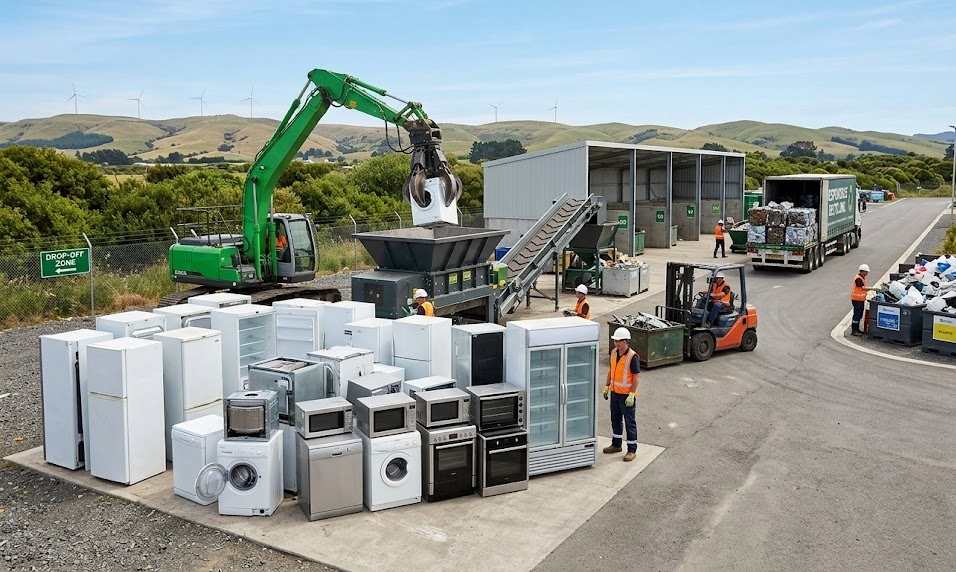
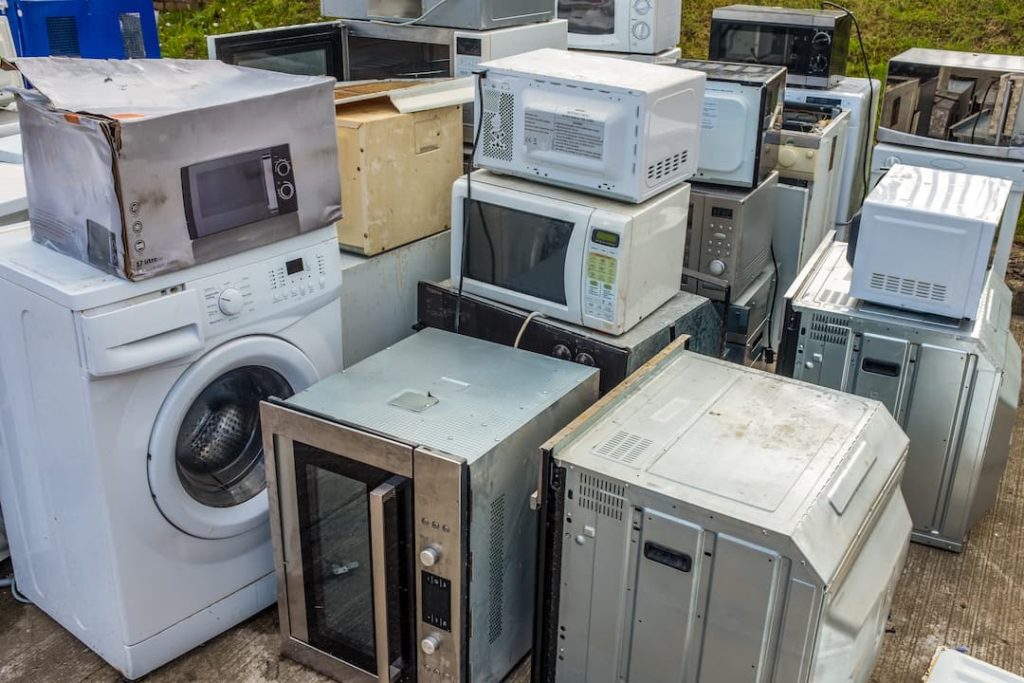
Most household and commercial electrical appliances can be recycled, including:
- Fridge freezers
- Washing machines
- Dishwashers
- Cookers
- Ovens
- Microwaves
- Freezers
- Commercial refrigeration equipment
- Office kitchen appliances
Choosing professional appliance recycling ensures these products are processed responsibly.
Why Professional Appliance Removal Is the Better Choice
Moving heavy appliances can be difficult and potentially dangerous.
Professional collection services offer:
- Safe removal from your property
- Eco-friendly recycling practices
- Fast and convenient appointments
- Responsible disposal
- Transparent pricing
- Experienced removal teams
This makes appliance disposal simple while ensuring compliance with environmental best practices.
How Homeowners Can Help
Before arranging collection:
- Disconnect the appliance safely
- Empty all contents
- Defrost refrigeration units if required
- Clean the appliance
- Ensure clear access for collection
Simple preparation helps speed up the removal process.
Environmental Benefits of Responsible Recycling

Choosing WEEE recycling helps preserve natural resources and reduces environmental impact.
Benefits include:
- Lower greenhouse gas emissions
- Reduced landfill use
- Increased material recovery
- Improved sustainability
- Better resource efficiency
Responsible appliance recycling supports long-term environmental protection for future generations.
Frequently Asked Questions
What does WEEE stand for?
WEEE stands for Waste Electrical and Electronic Equipment.
Can electrical appliances go into general waste?
No. Electrical appliances should be recycled through approved collection or recycling services.
Are old appliances recyclable?
Many appliances contain recyclable metals and plastics that can be recovered and reused.
Why should I use a professional appliance removal service?
Professional services provide safe lifting, responsible recycling and environmentally friendly disposal.
Can businesses use appliance recycling services?
Yes. Commercial kitchens, offices, landlords and businesses regularly use appliance recycling services for responsible disposal.
Final Thoughts
Responsible WEEE recycling is one of the most effective ways to reduce waste and protect the environment. By choosing professional appliance removal and recycling services, homeowners and businesses can ensure unwanted electrical appliances are handled safely and sustainably.
Whether you are replacing a single washing machine or clearing multiple commercial appliances, responsible recycling helps recover valuable materials, reduce landfill waste and support a cleaner future for the UK.