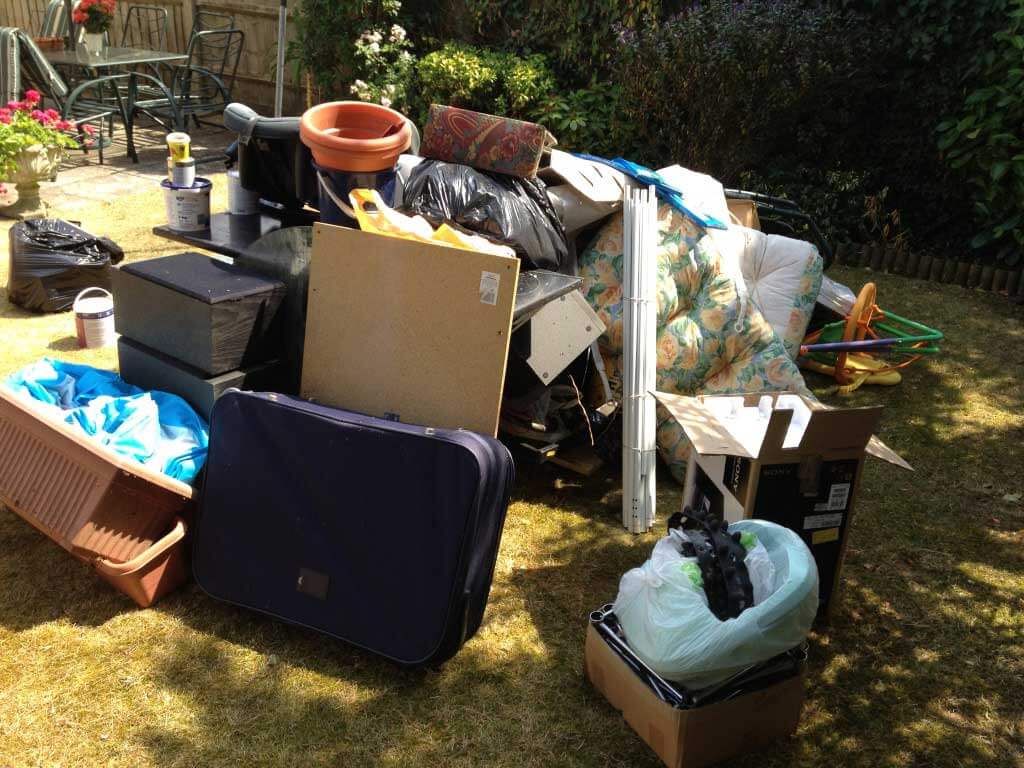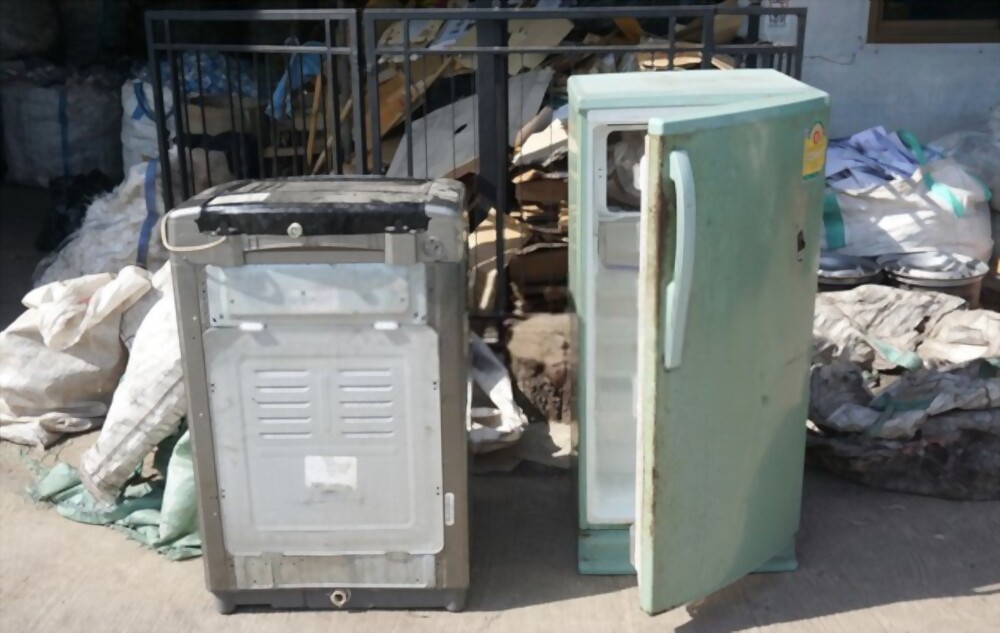
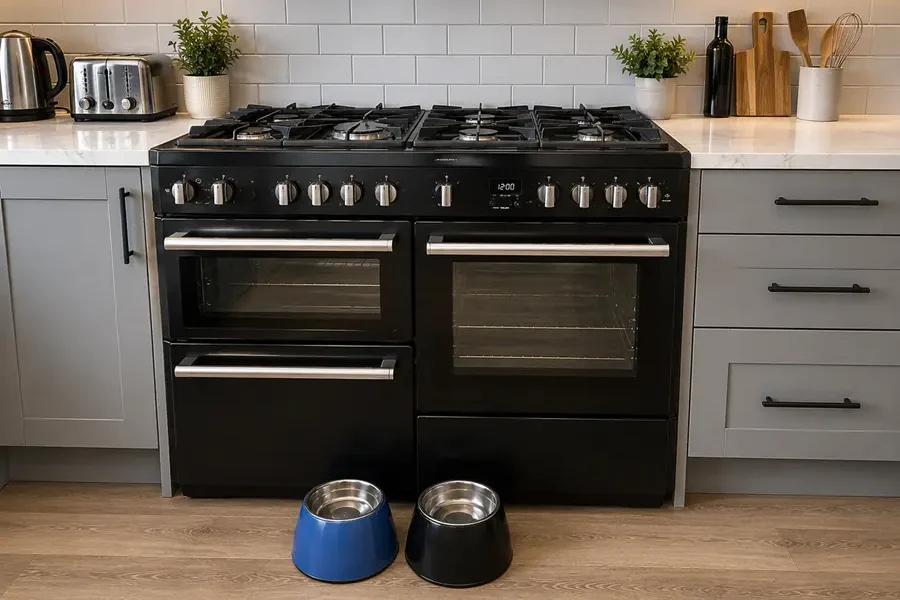
Your old cooker has had its time.
Maybe it stopped heating properly. Maybe you have upgraded to induction. Or perhaps you are renovating the kitchen and need it gone before the fitters arrive tomorrow morning.
Whatever the reason — you cannot just drag it to the kerb and hope for the best.
Cookers are large, heavy, and in the case of gas models, they must be handled by a registered professional before anyone can move them. Getting this wrong could leave you liable for a fly-tipping fine, or worse, in danger.
The good news is that disposal is more straightforward than most people think.
This guide covers every legal option for cooker and oven disposal in the UK in 2026. We include real costs, the rules around gas appliances, what to do with built-in ovens, and how to get rid of yours fast — sometimes for free.
Can You Put a Cooker in a Skip?
In most cases — no.
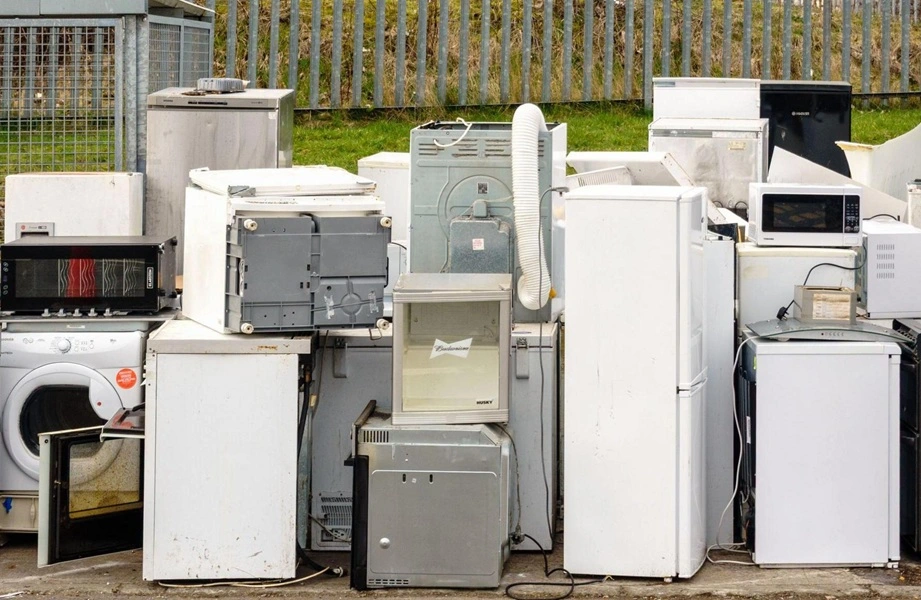
Standard skip hire companies do not accept cookers or ovens. Cookers are classed as WEEE waste (Waste Electrical and Electronic Equipment), which means they must be collected and processed through licensed recycling channels.
Putting a cooker in a general skip could result in the skip company refusing to collect, or you being charged an additional fee when they find it.
There are a small number of specialist WEEE skip providers who can arrange a separate collection — but this needs to be agreed at the time of booking, not after the skip is filled.
Gas cookers add an extra complication. Before a gas cooker can be moved at all, the gas supply must be disconnected by a Gas Safe registered engineer. No skip company will accept a gas cooker that has not been properly disconnected and capped.
If you are tempted to leave it on the pavement — do not. It is classed as fly-tipping under UK law, which can result in a fixed penalty notice of up to £400 or prosecution with an unlimited fine.
Gas vs Electric: What You Need to Know First
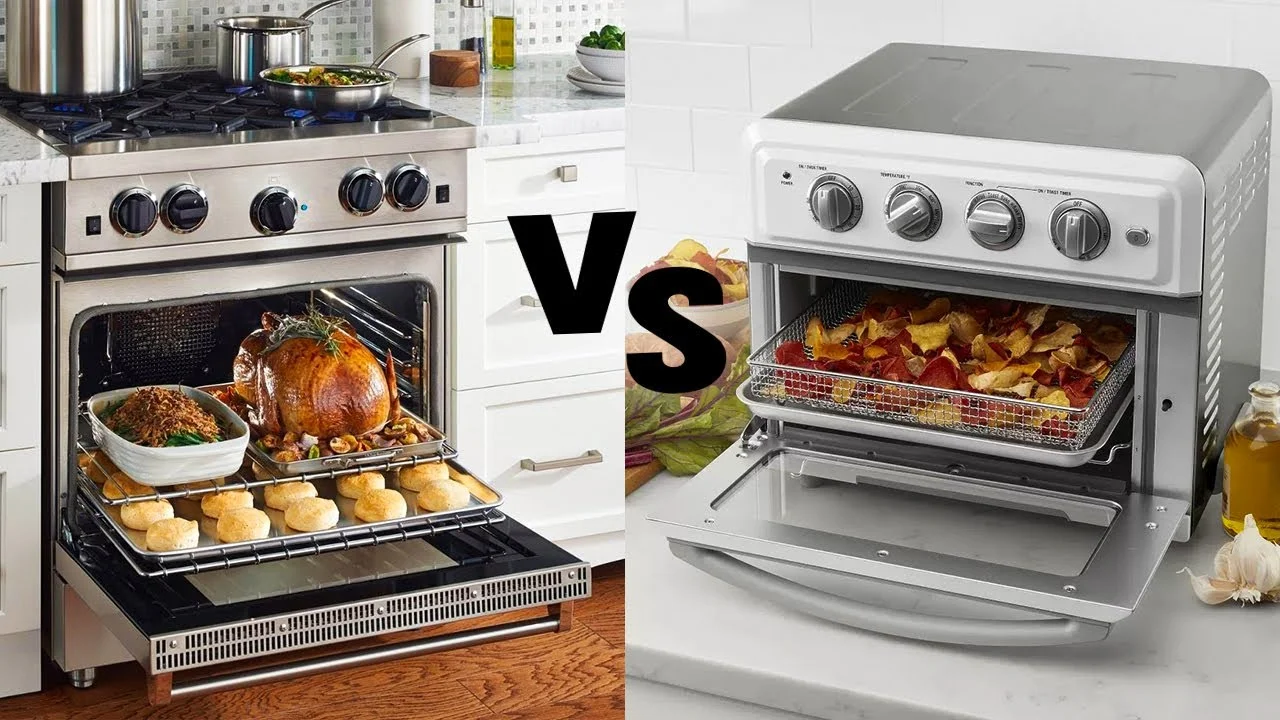
The single most important thing to know before disposing of a cooker is whether it runs on gas or electricity.
Electric Cooker
Removing an electric cooker is relatively straightforward. Most electric freestanding cookers use a standard 13 amp plug or a hardwired 45 amp connection.
For plug-in models — simply unplug it.
For hardwired models — you will need a Part P qualified electrician to disconnect it safely and issue a certificate. Do not attempt to disconnect a hardwired cooker yourself.
Once disconnected, the cooker can be moved by any licensed waste carrier, private removal service, or taken to the tip yourself.
Gas Cooker
This is where things are more important to get right.
By law, a Gas Safe registered engineer must disconnect any gas cooker that is connected to a fixed gas supply. This is not optional — it is a legal requirement under the Gas Safety (Installation and Use) Regulations 1998.
The one exception: if your cooker is connected via a self-sealing bayonet fitting (the flexible hose type), you can temporarily disconnect it yourself to clean behind it or move it slightly. But for full removal and disposal, a Gas Safe engineer is required.
A Gas Safe disconnection typically costs £40–£80 depending on your area and engineer. Always ask for confirmation that the supply has been capped once the engineer has finished.
Once disconnected, your gas cooker can be removed by any licensed service.
Induction Hob / Integrated Oven
Integrated ovens are built into kitchen cabinetry. Removal is a little more involved — the oven needs to be extracted from its housing, which sometimes requires removing surrounding cabinets or trim panels.
Most professional removal services handle this regularly. Mention the oven is integrated when you get your quote so the team brings the right tools.
How to Prepare Your Cooker for Removal
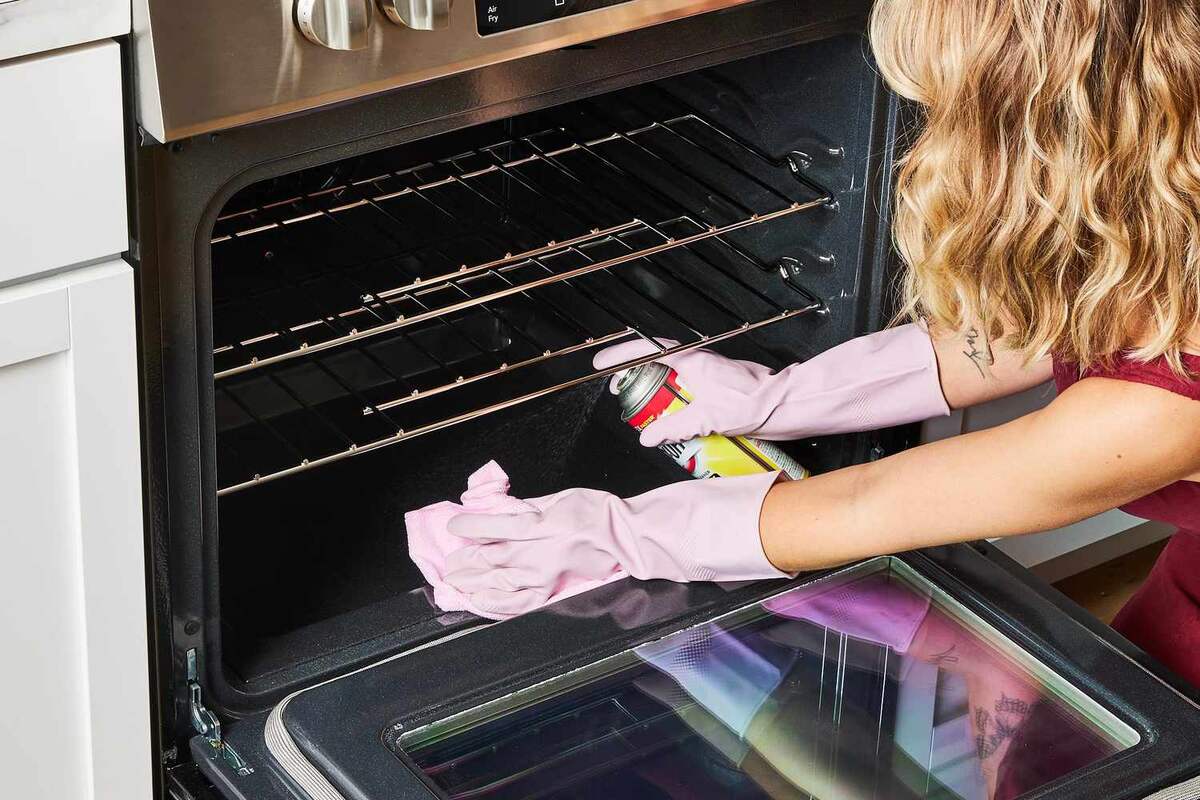
A little preparation goes a long way and makes the collection smoother.
1. Disconnect from power or gas. For gas models, have your Gas Safe engineer disconnect and cap the supply before collection day. For electric, unplug or arrange electrician disconnection.
2. Remove loose parts. Take out oven racks, grill pans, and any loose shelving. These can go separately or be put back inside once moved.
3. Give it a rough clean. It does not need to be spotless. But removing excess grease and food residue is basic courtesy for the team collecting it — and makes the job safer during transport.
4. Clear a path. Cookers are heavy and awkward. Make sure there is a clear route from the kitchen to the front door. Move any chairs, bags, or rugs that could cause a problem during removal.
Professional services will handle all the heavy lifting. You just need to make sure the appliance is ready and accessible.
Option 1 — Council Bulky Waste Collection
Most UK councils run a bulky waste service that covers large kitchen appliances including cookers and ovens.
You book in advance, pay a fee, and leave the cooker at the kerbside on the day of collection. The council’s team loads it and takes it away.
2026 prices — real council examples:
- Westminster City Council — cookers collected via bulky waste at standard bulky item rates
- Central Bedfordshire Council — both gas and electric cookers accepted at HWRC and via bulky collection
- Hackney Council — £15 for up to 5 bulky items
- North Yorkshire — free at HWRC sites
Most councils charge between £15 and £60 for a single cooker collection. Some offer free services for residents on certain benefits or pension credits.
Important: gas cooker rule. Your council will not disconnect a gas cooker. You must have a Gas Safe engineer disconnect and cap the supply before the collection day. If the cooker is still connected to gas when the team arrives, they will leave without collecting it.
Limitations:
- Waiting times are typically 2–4 weeks
- The cooker must be at the kerbside — teams will not enter your home
- Some councils have restrictions on range cookers due to their weight
- You must be a registered council tax payer in that area
If you need it gone quickly, council collection is probably not the right route.
Option 2 — Household Waste Recycling Centre (The Tip)
Every UK council operates at least one Household Waste Recycling Centre (HWRC). These accept cookers and ovens free of charge.
You transport the cooker there yourself and drop it off at the relevant bay. Most HWRCs have a large electricals section where staff will direct you.
This is the cheapest option if you have access to a van or estate car and someone to help you carry it.
Before you go:
- Search “[your area] + household waste recycling centre” or use the Recycle Now locator at recyclenow.com
- Some HWRCs require advance booking since the 2026 Simpler Recycling changes — check online first
- Bring proof of residency if your centre requires it (driving licence or utility bill)
- Gas cookers must be disconnected by a Gas Safe engineer before you transport them — even to the tip
- Commercial vans may not be permitted at domestic sites
A cooker is heavy. Most weigh 30–60 kg. You will need at least two people and a suitable vehicle to transport it safely.
Option 3 — Retailer Take-Back Scheme
Buying a new cooker or oven? Most UK retailers will collect your old one when they deliver the new one.
Under UK WEEE regulations, retailers selling electrical appliances must offer a take-back option to customers.
Retailers that typically offer this:
- Currys — offers old appliance removal as a paid add-on at checkout
- AO.com — collects old cookers on delivery day, charges apply
- John Lewis — removal included with some delivery options
- Argos — take-back available on large appliance purchases
- B&Q — take-back for large kitchen appliances when buying a replacement
Gas cooker note: Most retailers will not collect a gas cooker unless it has already been disconnected by a Gas Safe registered engineer. Confirm this when booking.
Limitations:
- Only works when buying a replacement — they will not come just to collect
- The old appliance must be disconnected, accessible, and reasonably clean
- Some have access restrictions around stairs or tight corridors
If you are already buying a new cooker, this is usually the most cost-effective route — sometimes free.
Option 4 — Professional Cooker Removal Service
A professional removal service is the quickest and most hassle-free option.
You book, they arrive — often same day or next day — and remove the cooker from your kitchen without you needing to do anything beyond unlocking the front door.
What a good service includes:
- Collection from your kitchen — no need to move the cooker yourself
- Two-person team with proper lifting equipment
- Transport to a WEEE-licensed recycling facility
- Waste transfer note as legal proof of responsible disposal
- Donation of working appliances to charity
Scrap My Appliance collects all types of cookers across the UK — electric, gas (pre-disconnected), range cookers, and integrated ovens. Our uniformed two-person teams handle all the heavy lifting, protect your floors and walls during removal, and take care of responsible recycling.
We cover homes, rental properties, and commercial premises. If you are a landlord replacing kitchen appliances between tenancies, a kitchen fitter clearing out before installation, or a restaurant upgrading equipment — we handle collections at any scale.
When professional removal is the right choice:
- You need it gone quickly — same day or next day
- The cooker is heavy, awkward, or hard to access
- You do not have a vehicle large enough to transport it
- You are also removing other appliances at the same time
- You need a waste transfer note for compliance records
Call us free on 0800 599 9003 or book a quick quote online.
Option 5 — Scrap Metal Dealer
Cookers contain a useful amount of recyclable metal. Most UK cookers weigh 30–60 kg and are 60–80% steel.
At current 2026 scrap metal prices, a typical cooker has a scrap value of approximately £6–£13 in steel alone, plus small amounts of copper wiring. Some licensed scrap dealers will collect for free because the metal makes it worth their while — even if the payment to you is modest or nothing.
How to find a licensed dealer:
Search for scrap metal dealers in your area. Verify they hold a valid waste carrier licence on the Environment Agency’s public register before handing over the appliance. An unlicensed operator may dump the cooker illegally, which can in some circumstances create problems for you as the original owner.
Gas cookers: A scrap metal dealer will not accept a gas cooker that has not been properly disconnected and capped by a Gas Safe engineer. Always have this done first.
Option 6 — Donate or Sell It
If your cooker still works, the most responsible thing to do is give it a second life rather than recycling it.
Donation options:
- British Heart Foundation — collects working cookers from many UK areas for free
- Local furniture reuse organisations — often accept working kitchen appliances for families in need
- Freecycle and Freegle — list it free and someone nearby will come and collect it
- Facebook Marketplace (free section) — very effective for working cookers, especially in urban areas
Selling options:
- eBay (local collection listings are ideal for heavy items)
- Gumtree
- Facebook Marketplace
- Local Facebook community groups
A working freestanding electric cooker in decent condition can sell for £40–£150. Range cookers in good condition can fetch considerably more — popular brands like Rangemaster or AGA hold their value well.
Gas cooker note for selling: If you list a working gas cooker for sale, make clear to the buyer that installation must be carried out by a Gas Safe registered engineer. Do not install a gas cooker for someone else unless you are qualified to do so.
Range Cookers and Built-In Ovens: What’s Different?
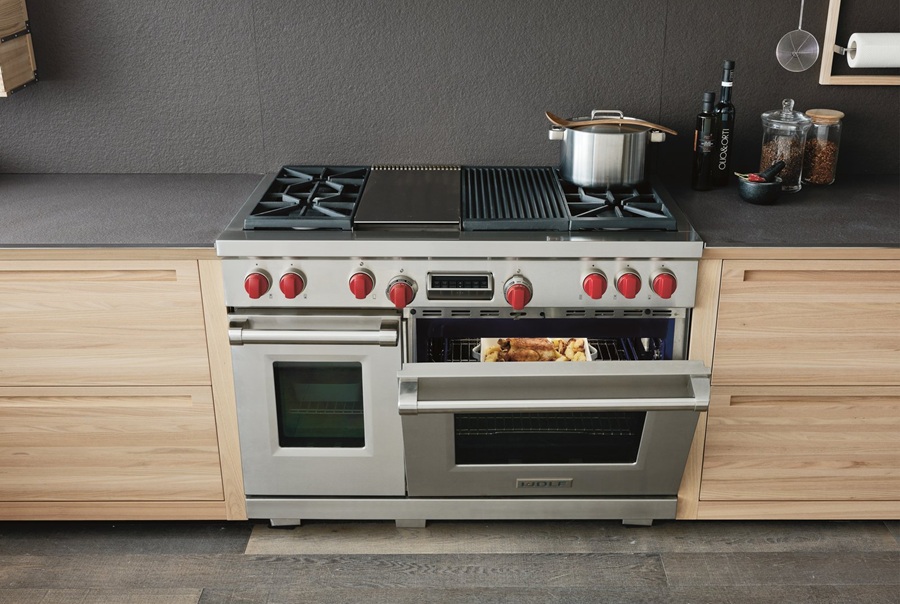
Range Cookers
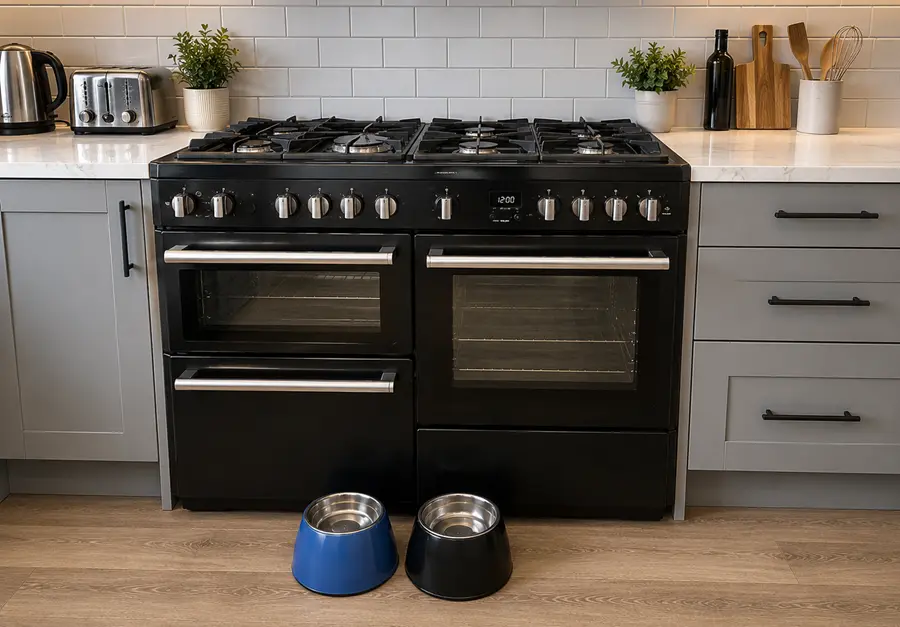
Range cookers — Rangemaster, AGA, Falcon, Smeg, and similar brands — are significantly heavier than standard freestanding cookers. Some weigh 100 kg or more.
Most council bulky waste services will not collect range cookers due to their size and weight. An HWRC is possible if you can transport it, but again, the weight makes this challenging.
A professional removal service is almost always the most practical option. At Scrap My Appliance, we regularly remove range cookers and have the equipment and team size to do it safely. Prices for range cooker removal typically start from around £75–£120 depending on weight and access.
Built-In or Integrated Ovens
A built-in oven is installed into kitchen cabinetry. Before removal, the oven needs to be extracted from its housing — this sometimes requires removing cabinet trim, door panels, or surrounding units.
Most professional teams handle this as a matter of course. When booking, always mention that the oven is integrated so the team comes prepared.
The oven does not need council collection or special disposal treatment beyond standard WEEE — once extracted, it is handled like any other electric oven.
How Much Does Cooker Disposal Cost in the UK?
Here is a full 2026 cost breakdown:
| Disposal Method | Typical Cost |
|---|---|
| Household Waste Recycling Centre | Free (you transport) |
| Scrap metal dealer | Free or £6–£13 to you |
| Council bulky waste collection | £15–£60 |
| Retailer take-back (with new purchase) | Free–£40 |
| Professional removal service | £40–£95 |
| Range cooker — professional removal | £75–£120 |
| Gas Safe engineer disconnection | £40–£80 (separate) |
Cost factors that affect the price:
- Gas vs electric — gas cookers require a separate Gas Safe disconnection cost on top of disposal
- Range cookers — heavier and harder to move; expect to pay more
- Location — London and South East prices tend to run 20–30% higher
- Access — stairs, narrow hallways, or basements can add a small surcharge
- Combined collections — booking a washing machine removal or fridge disposal at the same time usually reduces the per-item cost
For a transparent, no-obligation quote, call Scrap My Appliance on 0800 599 9003 or request a quote here.
What Happens to Your Cooker After Collection?
Once your cooker reaches a WEEE-licensed recycling facility, here is what the process looks like:
Step 1 — Assessment. If the cooker still works, it is assessed for refurbishment or donation before any recycling begins. Working appliances in good condition may be redirected to charity rather than the shredder.
Step 2 — Dismantling. The cooker is broken down by hand. Oven racks, glass panels, door seals, and electronic control boards are removed separately.
Step 3 — Material separation. Components are sorted by material: steel casing, cast iron parts (on range cookers), copper wiring, aluminium, glass, and plastic trim. Each material stream goes to the appropriate processor.
Step 4 — Metal processing. Steel is the main material in most cookers. It is shredded and sent to steel mills where it is remelted and used in new products. The copper from wiring goes to specialist copper smelters.
Step 5 — Residual waste. A small proportion of materials — mainly composite plastics and insulation — cannot be economically recycled. These go to energy recovery facilities rather than landfill.
Around 85–90% of materials in a standard cooker are recovered and recycled. Choosing a WEEE-licensed service is the only way to ensure this process is completed correctly.
FAQs
Do I need a Gas Safe engineer to remove my gas cooker?
Yes. Under the Gas Safety (Installation and Use) Regulations 1998, a Gas Safe registered engineer must disconnect any gas cooker connected to a fixed supply. The one exception is a self-sealing bayonet fitting, which you can temporarily disconnect yourself to clean or move the cooker slightly. For full removal and disposal, always use a Gas Safe engineer.
Can you put a cooker in a skip?
No. Cookers are classed as WEEE (Waste Electrical and Electronic Equipment) waste and cannot go into standard skips. Some specialist WEEE collection services can be arranged alongside skip hire, but this must be agreed in advance.
Will the council take my old cooker?
Most councils offer bulky waste collection for cookers. Prices range from free to around £60 depending on your local authority. Gas cookers must be disconnected by a Gas Safe engineer before the council will collect them.
Does Currys take old cookers?
Yes. Currys offers old appliance removal as a paid add-on when you purchase a new cooker. The delivery team removes your old cooker on the same visit. Gas cookers must be disconnected before collection.
How much does cooker disposal cost in the UK?
It depends on the method. Taking it to the tip yourself is free. Council collection typically costs £15–£60. A professional removal service costs £40–£95 for standard cookers, or £75–£120 for range cookers. If you have a gas cooker, add £40–£80 for Gas Safe disconnection on top.
How do I dispose of a gas cooker in the UK?
First, arrange for a Gas Safe registered engineer to disconnect and cap the gas supply. Once disconnected, your cooker can be disposed of via council bulky waste, an HWRC, a professional removal service, or a licensed scrap metal dealer.
How much is an old cooker worth as scrap?
Most cookers weigh 30–60 kg and contain 60–80% steel. At 2026 prices, a typical cooker is worth approximately £6–£13 in scrap metal. Some licensed scrap dealers will collect for free. Range cookers, being heavier, may yield a little more.
How do I dispose of a built-in or integrated oven?
A built-in oven needs to be extracted from its kitchen housing before disposal. Most professional removal services handle this regularly and bring the right tools. Once extracted, the oven is treated as standard electrical waste under WEEE regulations.
Is it illegal to leave a cooker on the street in the UK?
Yes. Leaving a cooker on a public pavement or in a communal area without an arranged collection is fly-tipping. This is illegal and can result in a fixed penalty notice or prosecution with an unlimited fine.
Can I get rid of a cooker and other appliances at the same time?
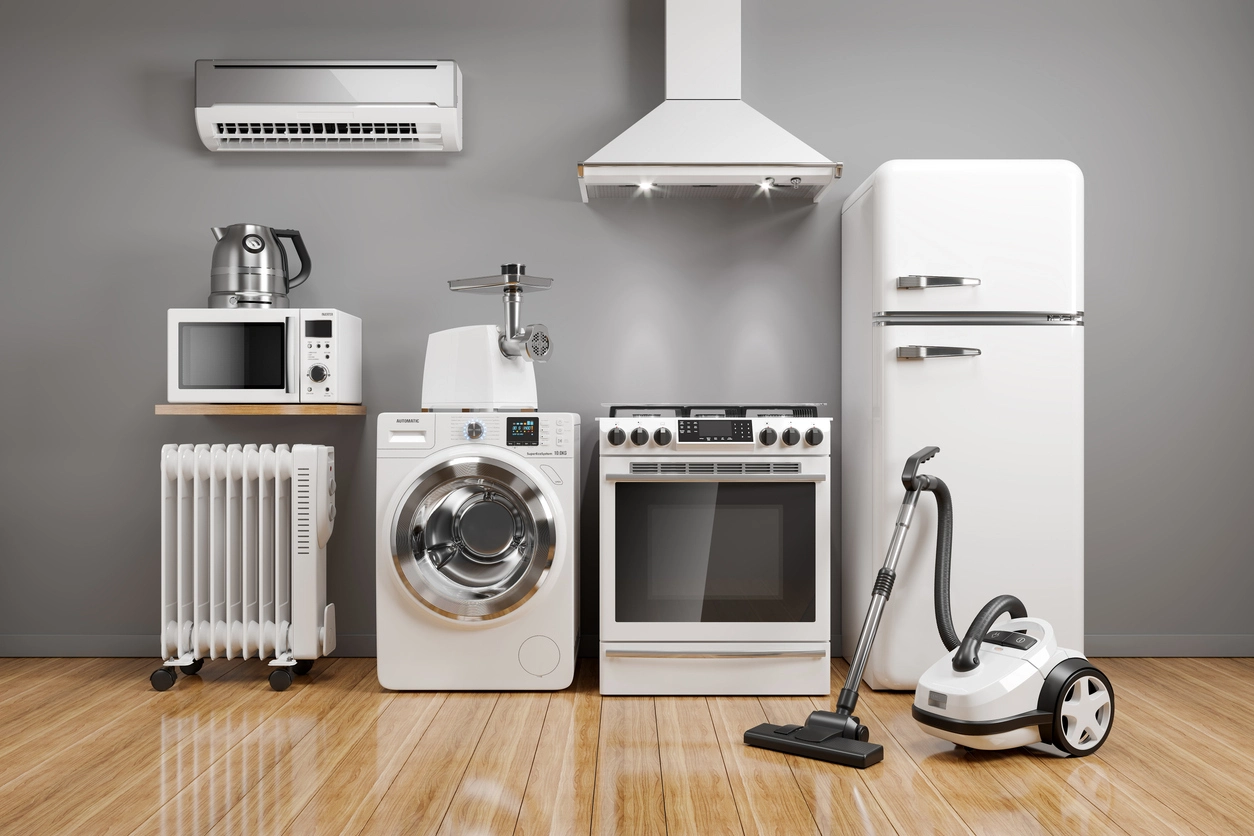
Absolutely — and it usually works out cheaper per item. Scrap My Appliance regularly collects cookers alongside washing machines, dishwashers, tumble dryers, and fridges in a single visit. See our full appliance removal cost guide for pricing detail.
What is WEEE and why does it matter for cooker disposal?
WEEE stands for Waste Electrical and Electronic Equipment. Cookers are classified under WEEE regulations in the UK. This means they cannot be disposed of with general household waste and must be collected through licensed recycling channels. Using an unlicensed service puts you at risk of being linked to illegal fly-tipping.
Ready to Get Rid of Your Old Cooker?
Scrap My Appliance provides professional, WEEE-licensed cooker and oven removal across the UK.
We collect electric cookers, gas cookers (once disconnected by your Gas Safe engineer), range cookers, integrated ovens, and all other kitchen appliances. Same-day and next-day collections available in most areas.
We also offer combined collections — so if you are also clearing a fridge, washing machine, dishwasher, or tumble dryer, we will take everything in one visit.
Working cookers in good condition are donated to charity. Everything else is recycled responsibly under WEEE regulations.
Call free: 0800 599 9003
Or book a quick quote online — takes under 60 seconds.